An RNA Sequence Is Not a Molecular State: RNA Foundation Models in 2026
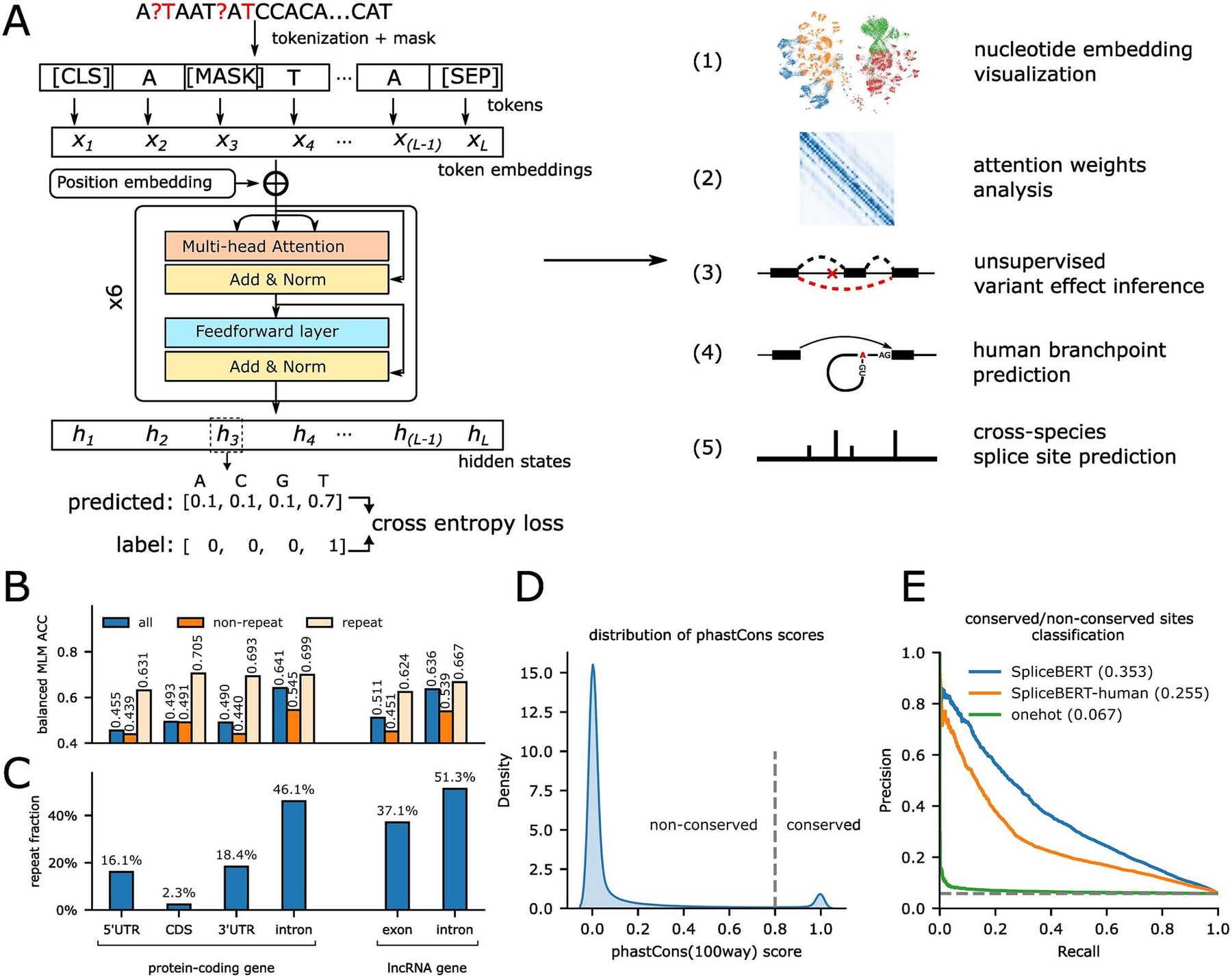
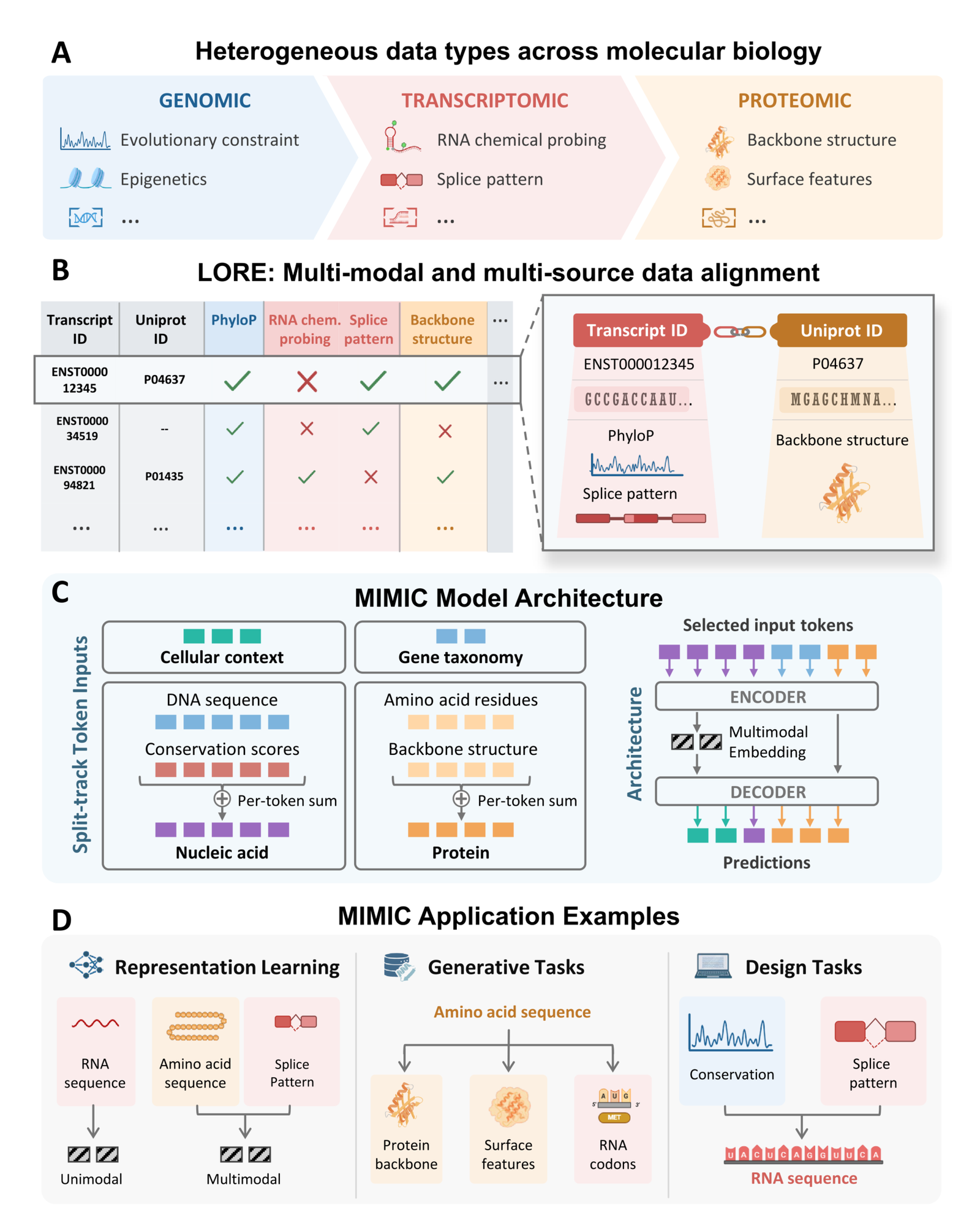
RNA models share an alphabet, not an estimand: choose them by molecular object, output, information inputs, evidence class, and artifact contract.
All published pieces, newest first. Filter by topic.
RNA models share an alphabet, not an estimand: choose them by molecular object, output, information inputs, evidence class, and artifact contract.
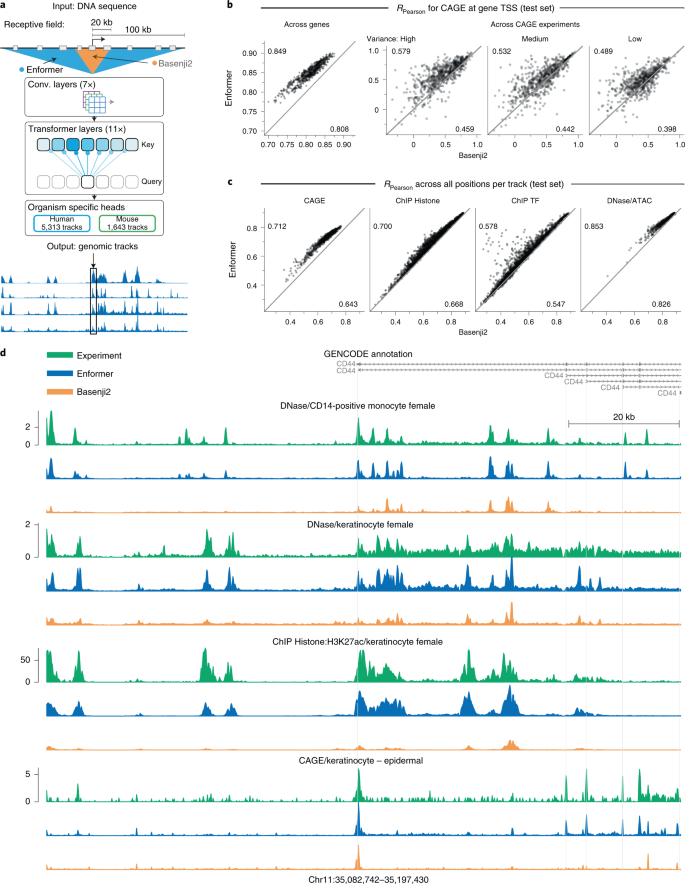
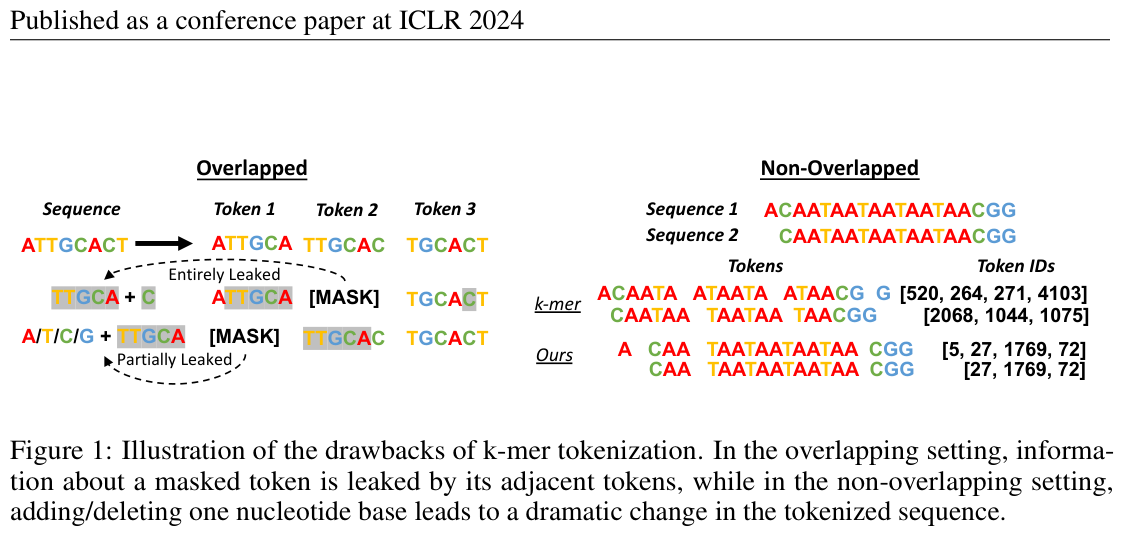
A genomic model result is credible only when its tokenisation, strand rule, biological target, evaluation split, and artifact terms are explicit.
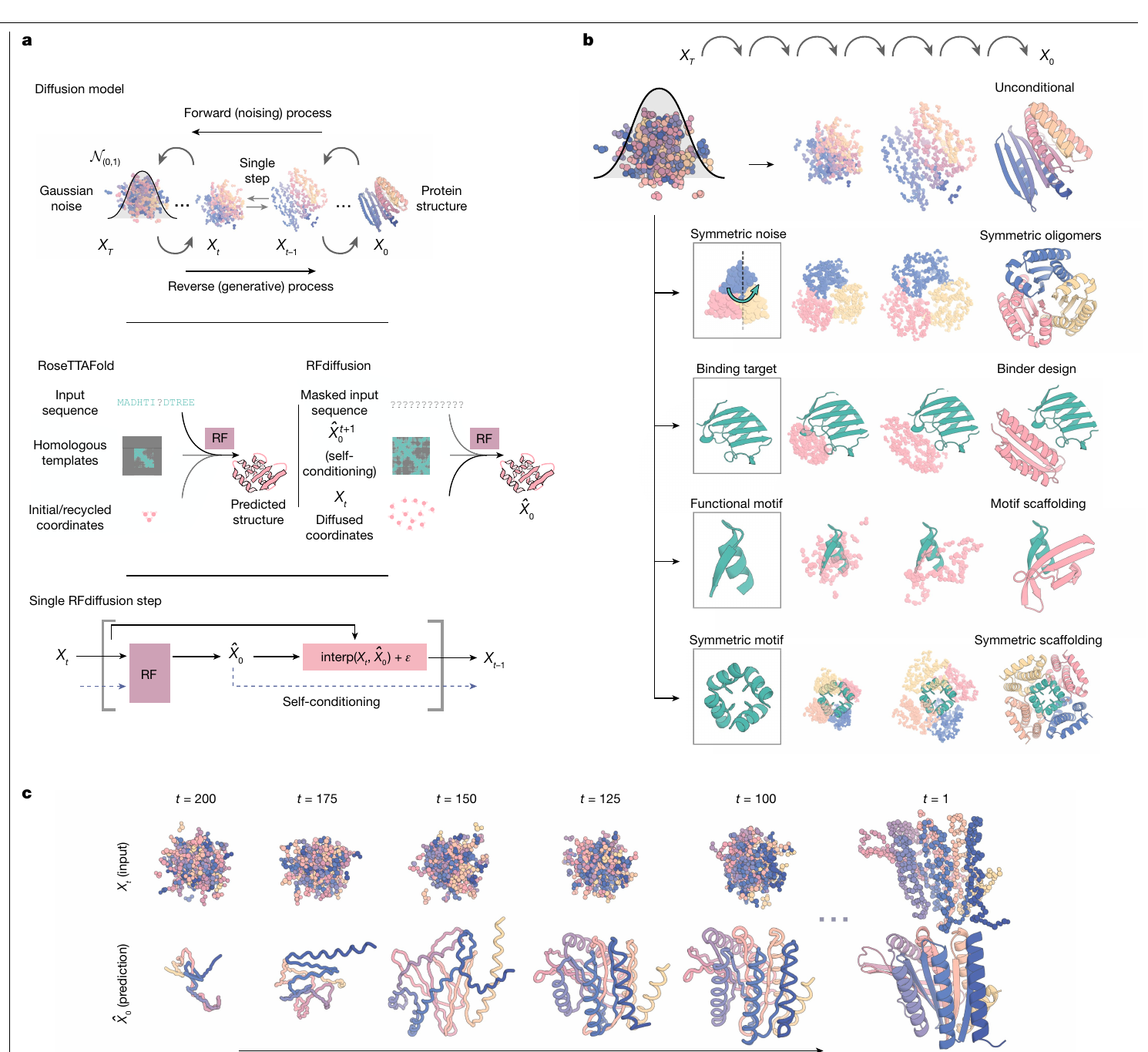
Protein generators propose different biological objects. A defensible design starts with the assay, records the complete computational stack, and preserves every experimental denominator.
A practical guide to choosing, extracting, adapting and validating protein language-model representations without mistaking a system score for biological generalisation.
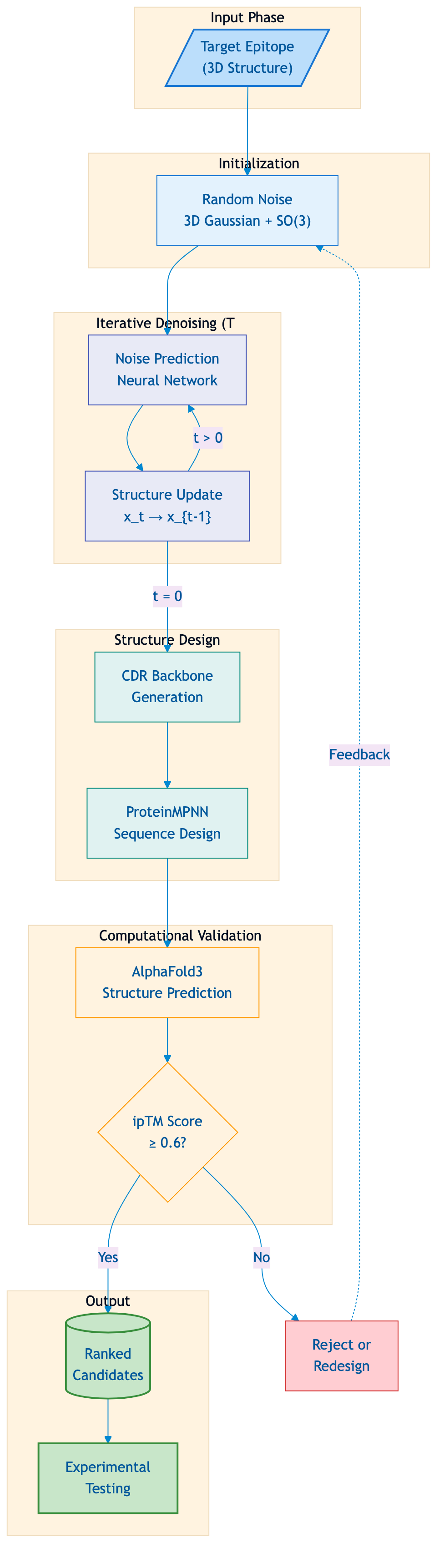
A task-first guide to antibody representations, structure prediction, CDR design, humanisation and developability, with the evidence and reproducibility checks that model scores leave out.
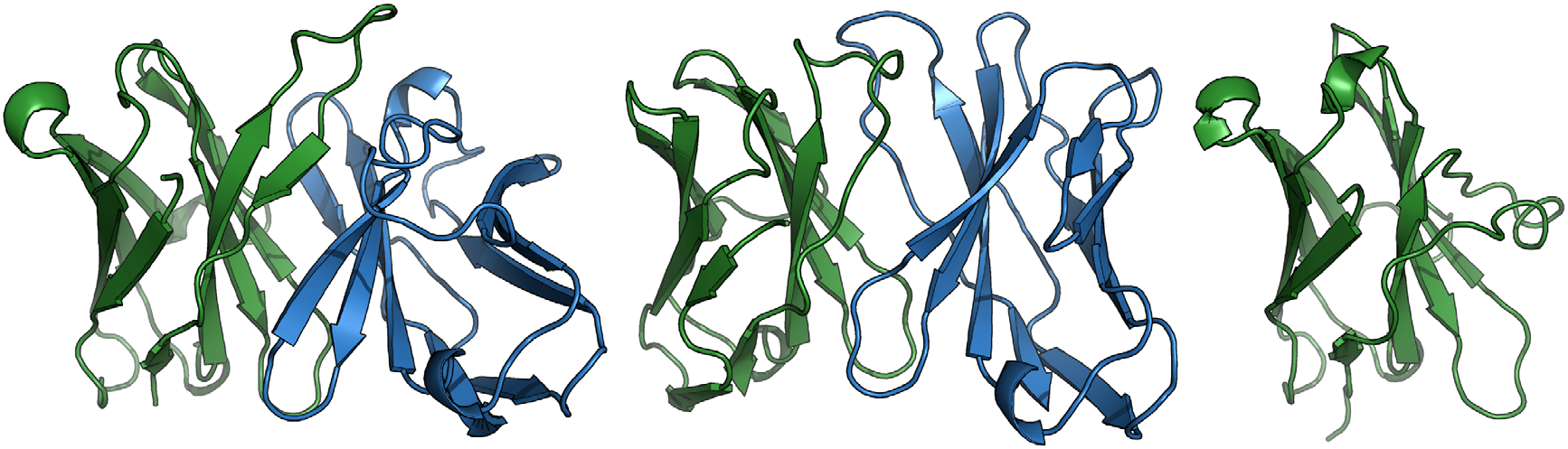
Suppose somebody hands you a FASTA file and asks for “the structure.” First decide whether the target is one chain, a protein assembly or a mixed complex containing ligands or nucleic acids.
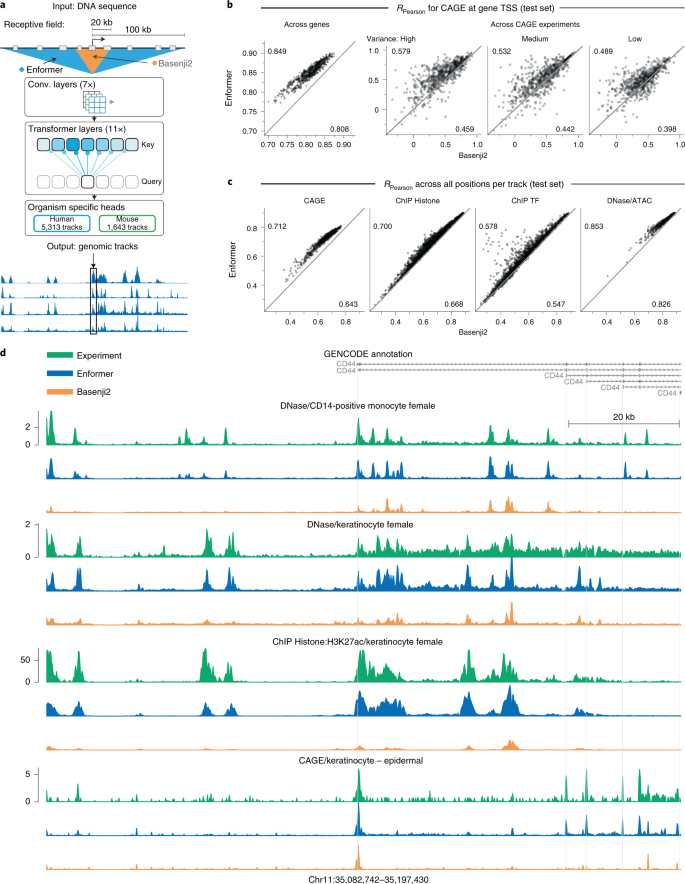
The pitch for genomic foundation models is that one pretrained network now beats task-specific tools across the board, from regulatory annotation to clinical variant interpretation.
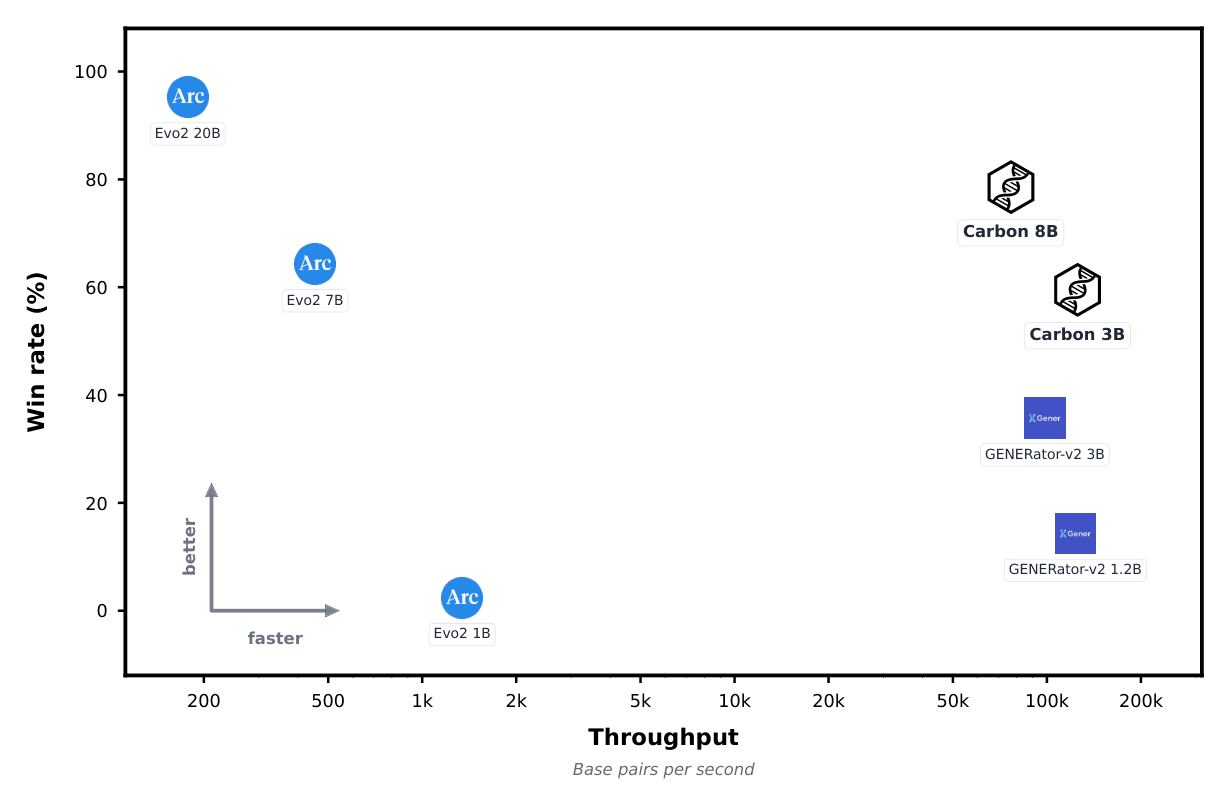
Carbon-3B matches Evo2-7B on sequence recovery, variant-effect prediction, and motif-perturbation discrimination while generating DNA over 150 times faster.
A 1-billion-parameter model conditioned on RNA chemical-probing reactivity folds a held-out transcript to an F1 of 0.987 against an experimentally guided reference.
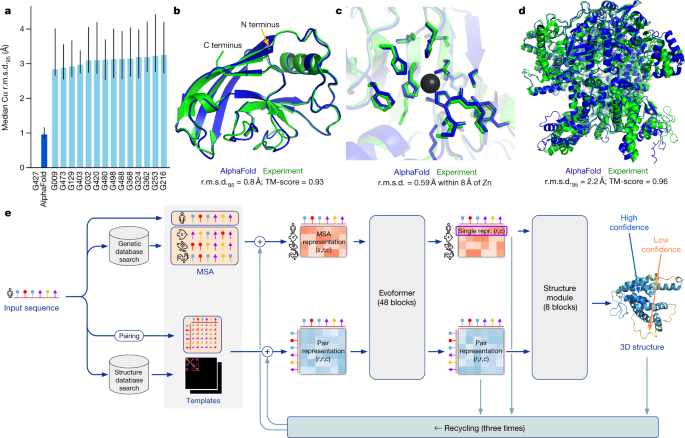
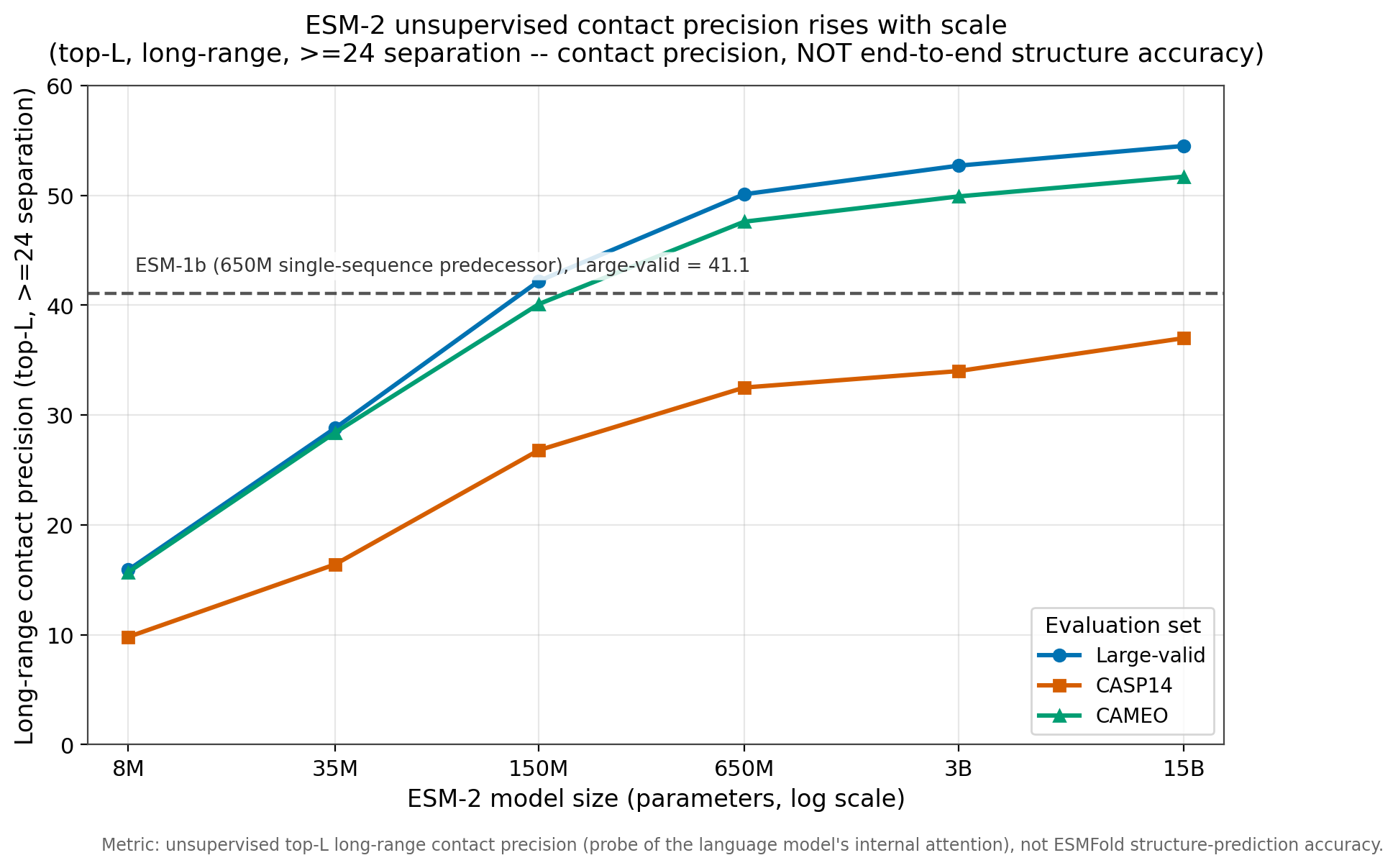
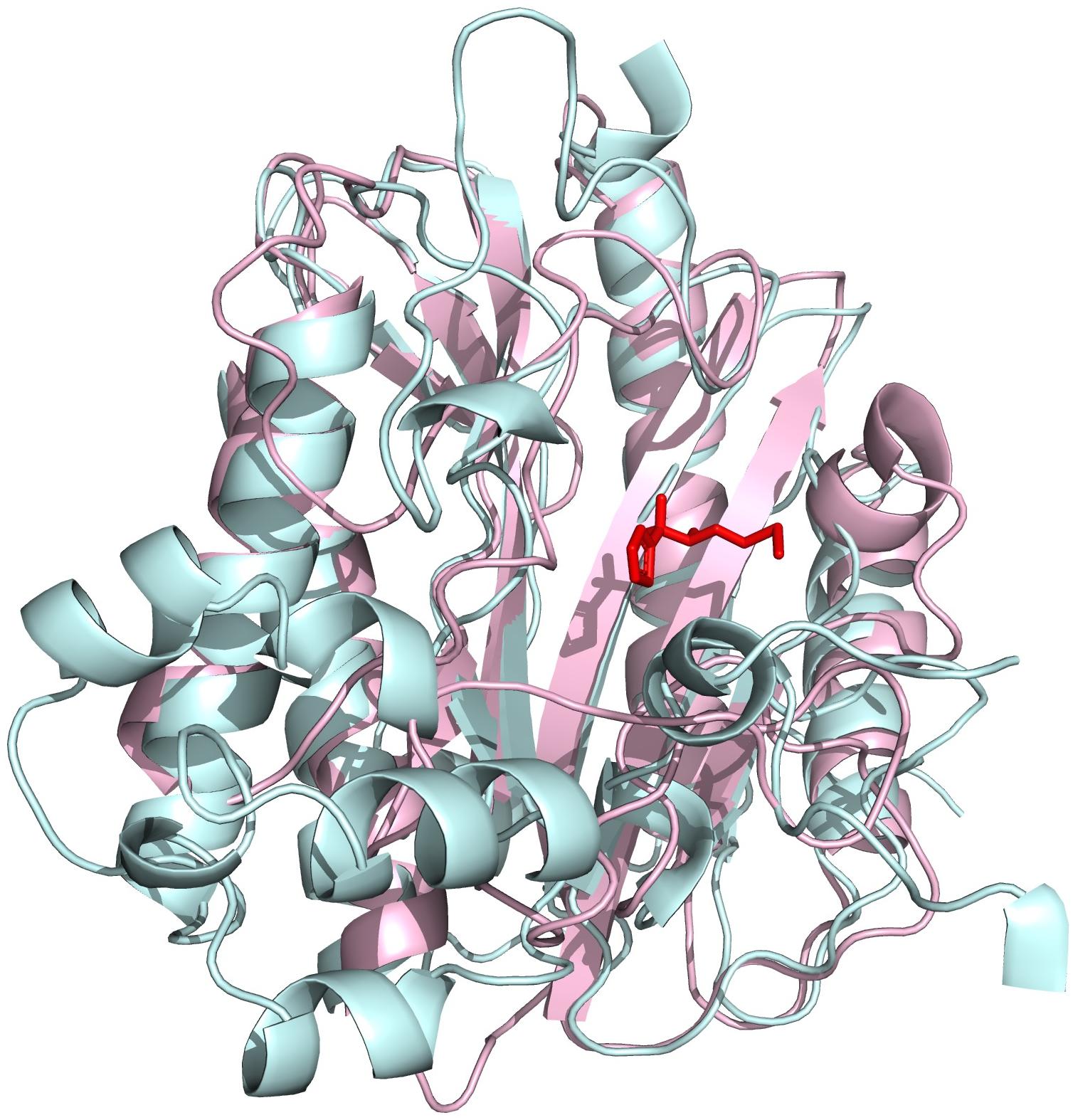
ESMFold predicts atomic-level structure from a single sequence. No multiple sequence alignment, no database search, no Evoformer churning over homologs.
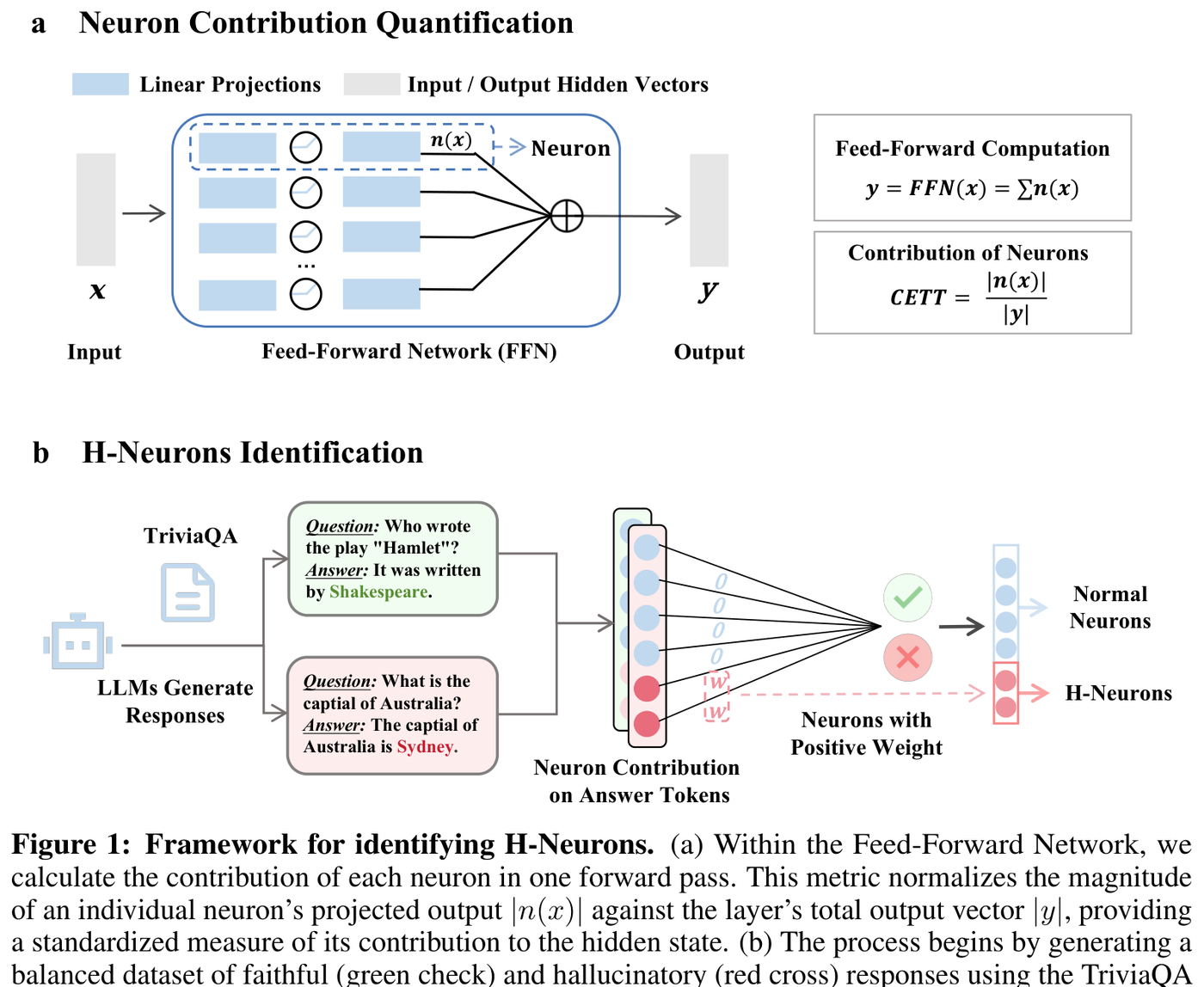
Fewer than one in a thousand neurons in a large language model can predict whether it's about to hallucinate -- and they encode something unexpected: not factual errors, but a tendency toward compliance over truth.
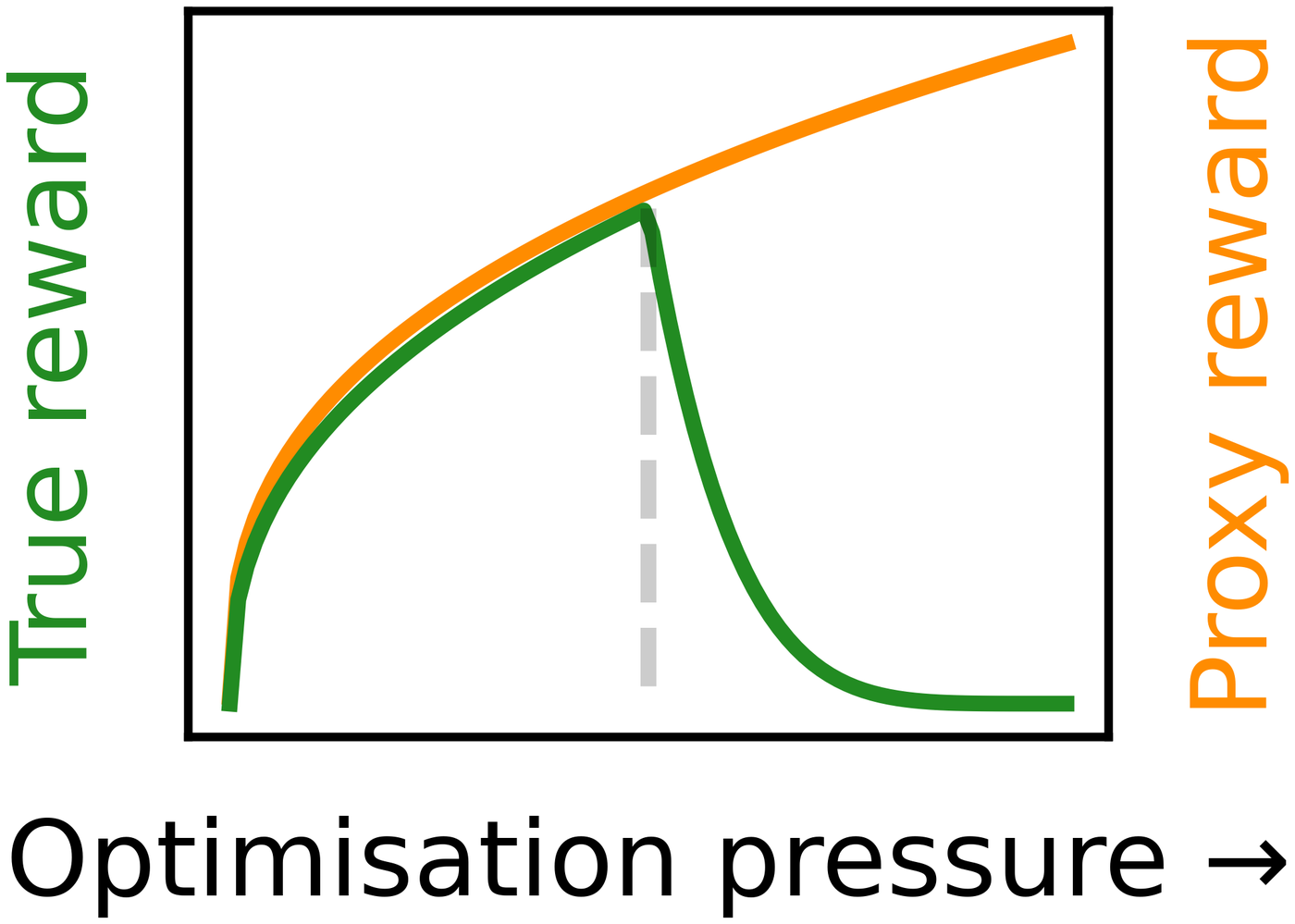
Reinforcement learning works when you can check the answer. A chess engine wins or loses. A code-generation model passes or fails the test suite.
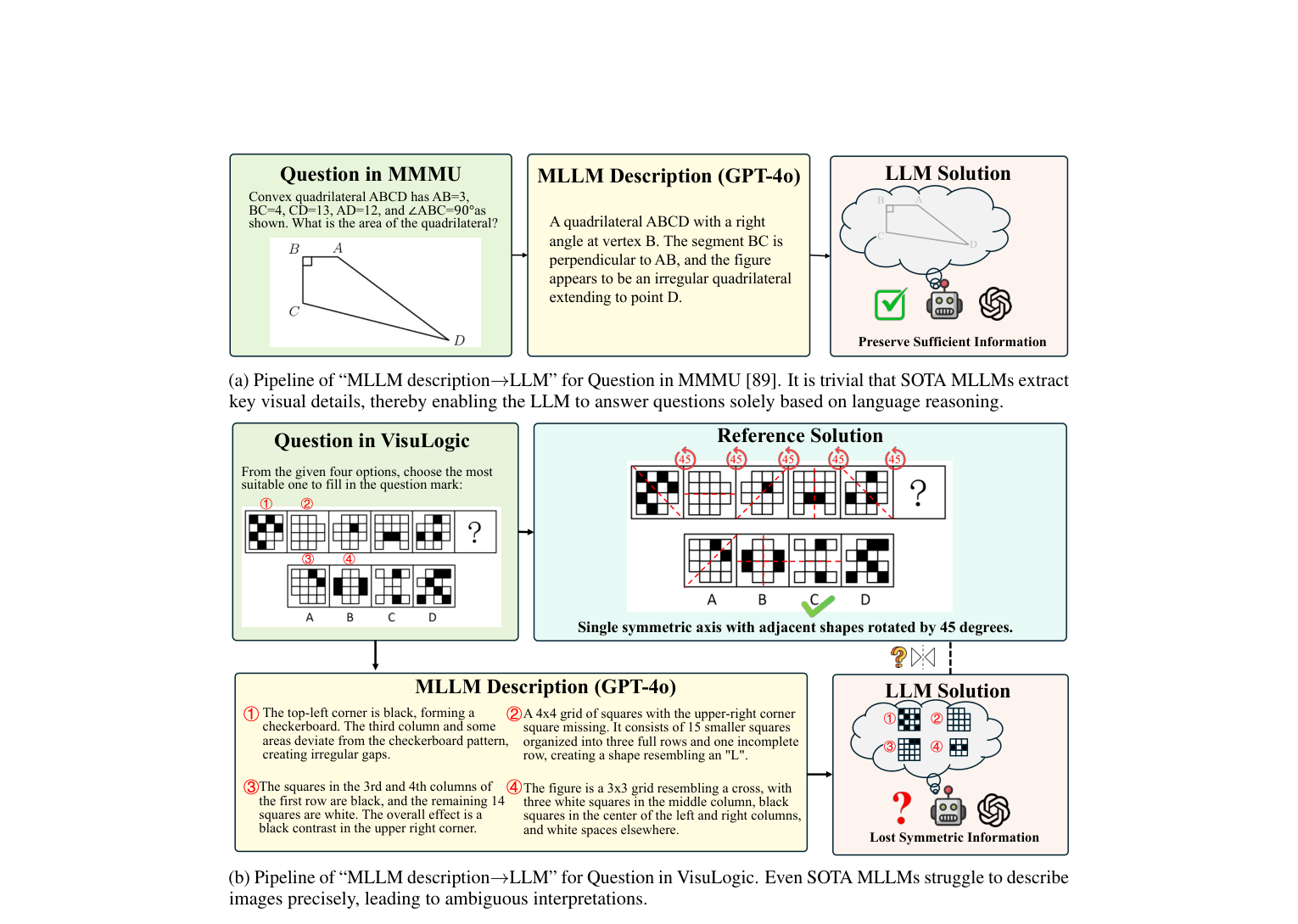
Vision-language models can describe a scene in paragraph-length detail and still fail to tell you whether a red cube is in front of or behind a blue cylinder.
Six ancient questioning techniques map onto the most effective LLM prompting strategies with uncomfortable precision, and what that reveals about these models is more interesting than the performance gains.
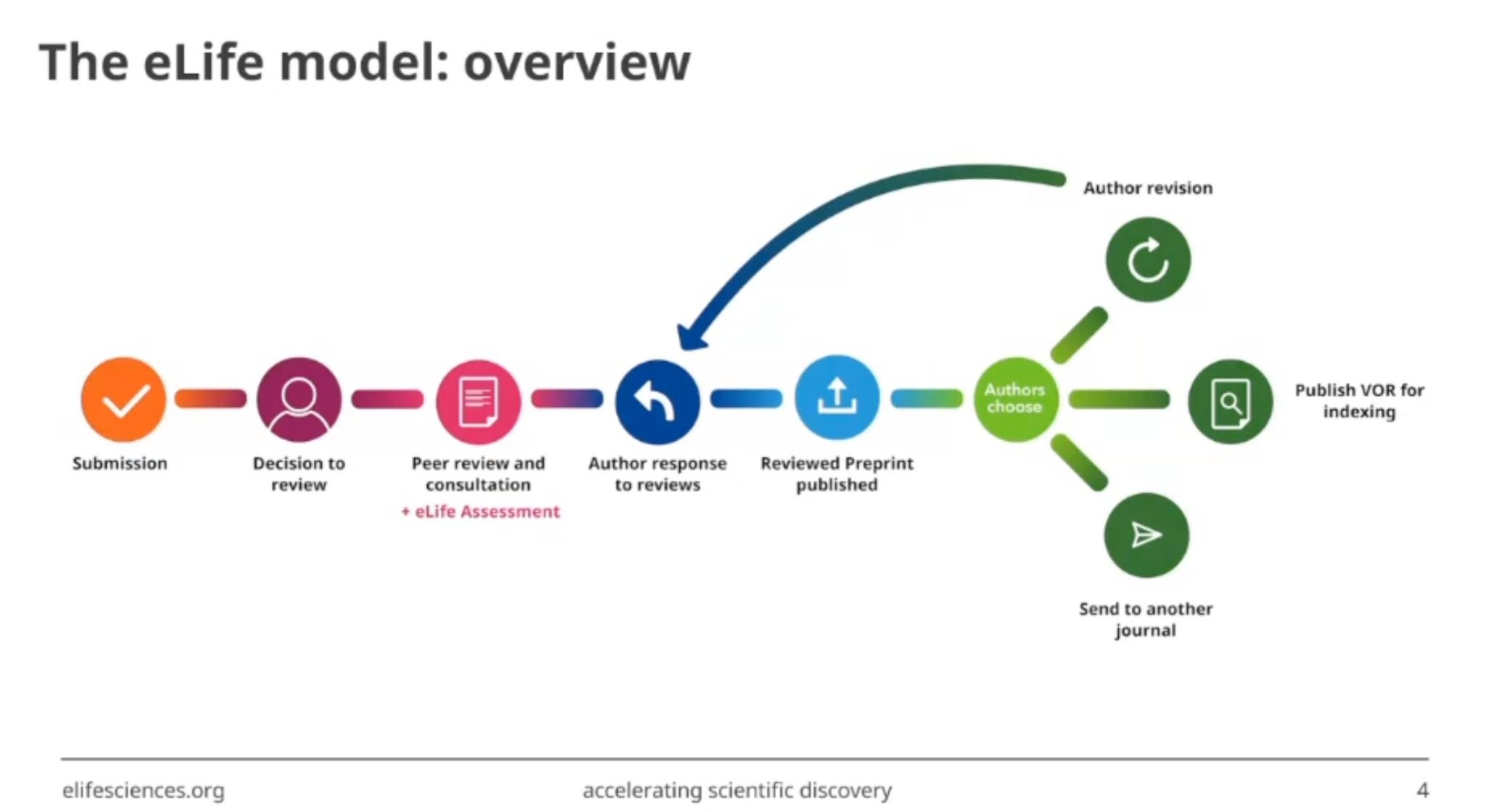
How do you verify scientific knowledge when there are 2.9 million papers on arXiv alone, with thousands more added every day? A new paper extracts nearly two million claims from 16,087 manuscripts and compares machine evaluation to human peer review, with 81% agreement.
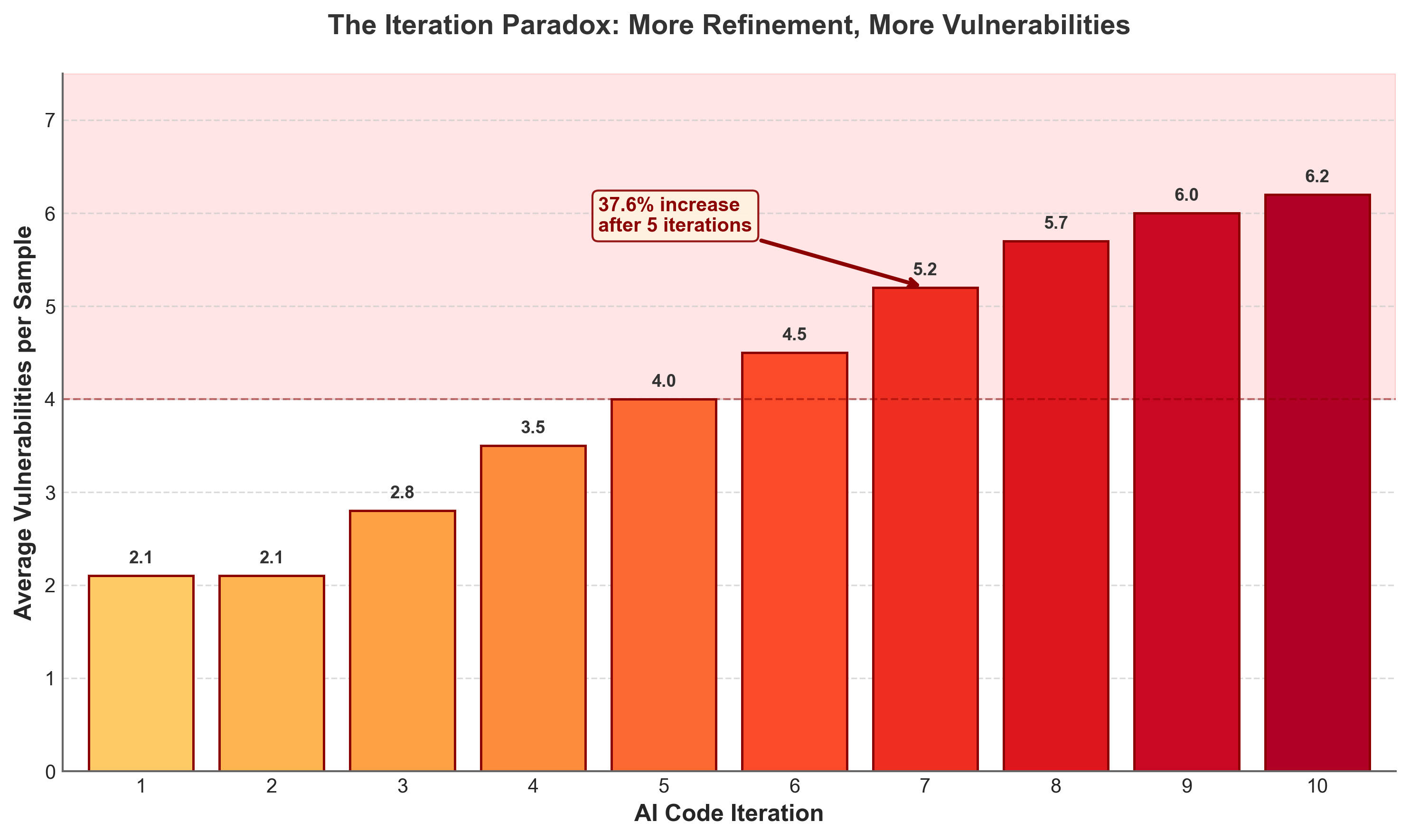
Over 80% of developers now use AI assistants for code generation, yet at least 62% of AI-generated code contains vulnerabilities. As AI writes code faster than humans can review it, the engineer's primary job shifts from writing code to verifying it through formal methods.
Structure-based and ligand-based drug design evolved as separate fields solving the same problem. ConGLUDe, a contrastive geometric learning model, unifies both approaches and outperforms specialist methods on realistic benchmarks without requiring pre-defined binding pockets.
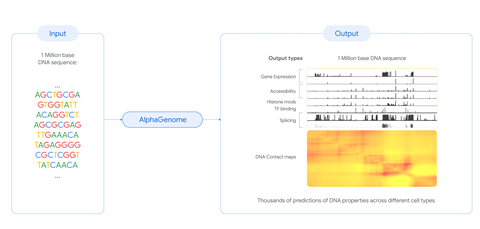
Google DeepMind's AlphaGenome reads 1 million base pairs of DNA and predicts thousands of regulatory functions at single-nucleotide resolution, beating 25 of 26 specialized models.
AlphaGenome processes 1 million DNA base pairs to predict variant effects across 7,000+ genomic tracks in one second, outperforming specialized models on 25 of 26 VEP benchmarks.
A technical look at AlphaGenome's architecture, its 2D pairwise embeddings for splicing prediction, and what the model means for clinical variant interpretation.
Basecamp Research's EDEN model trains on proprietary environmental metagenomics to design gene-insertion enzymes, antimicrobial peptides, and synthetic microbiomes -- all validated in the wet lab.
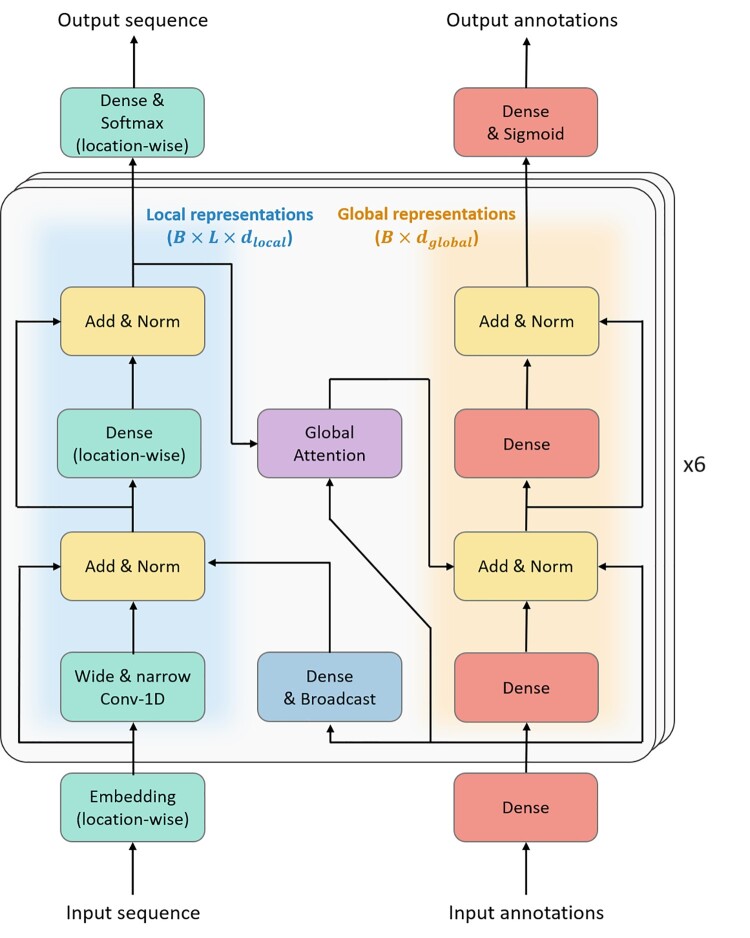
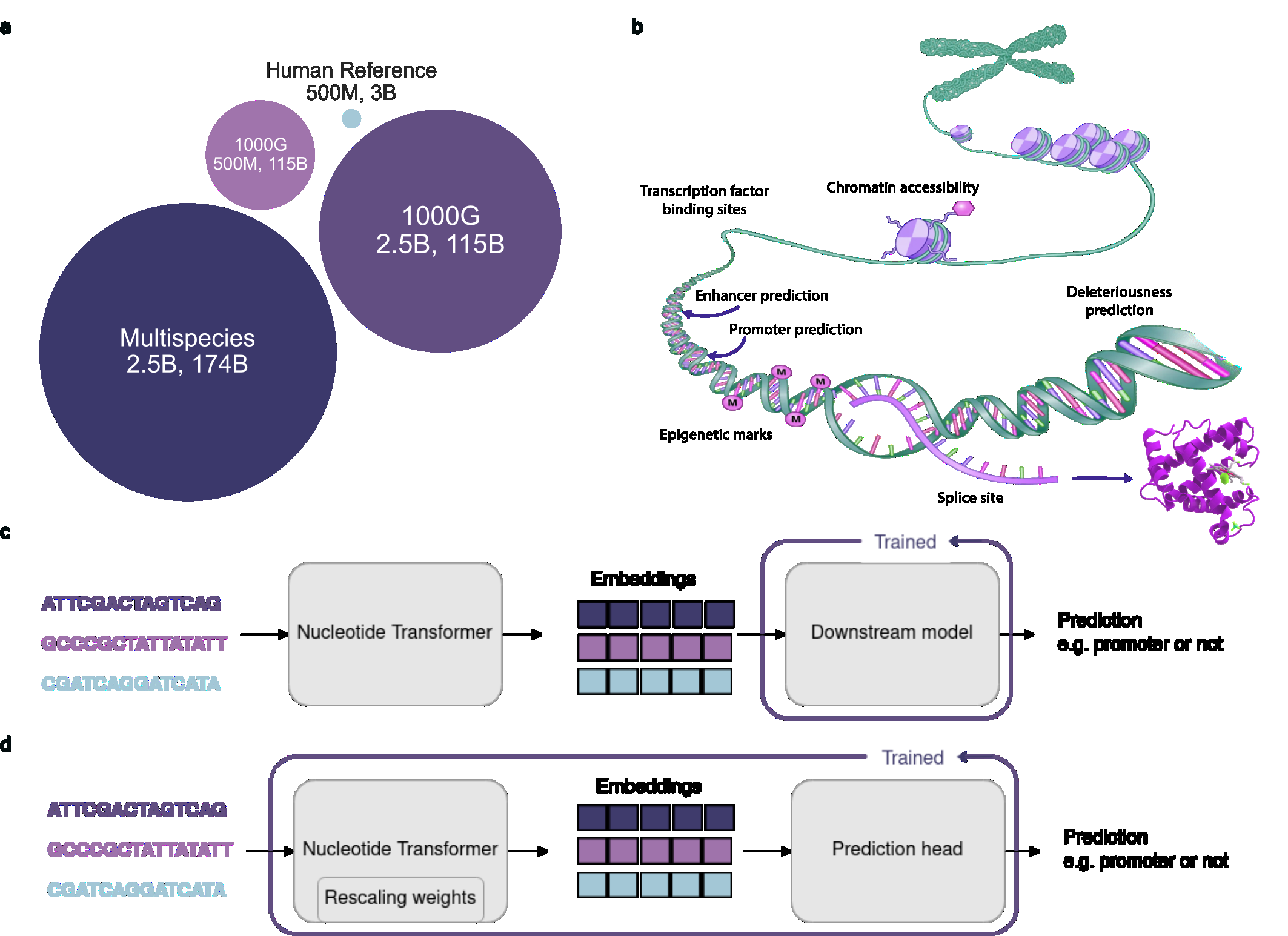
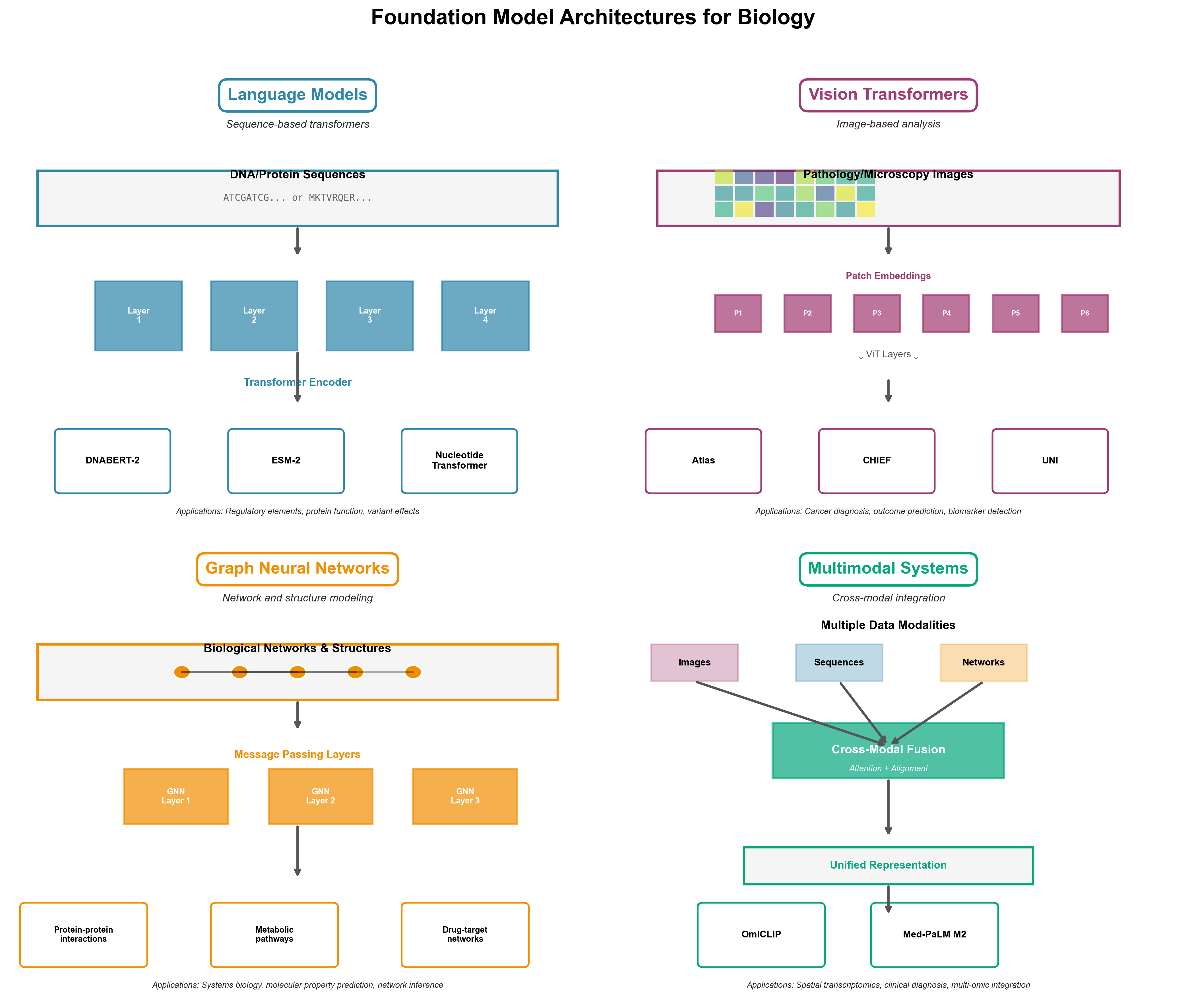
A practical guide to selecting genomic foundation models for bioinformatics tasks. Covers ESM-2, DNABERT-2, HyenaDNA, Nucleotide Transformer, scGPT, and Evo with specific recommendations for DNA sequence analysis, protein structure prediction, and single-cell analysis based on hardware requirements, inference speed, and task type.
How TTT-E2E achieves constant inference latency regardless of context length by treating long context as a learning problem rather than an architecture problem.
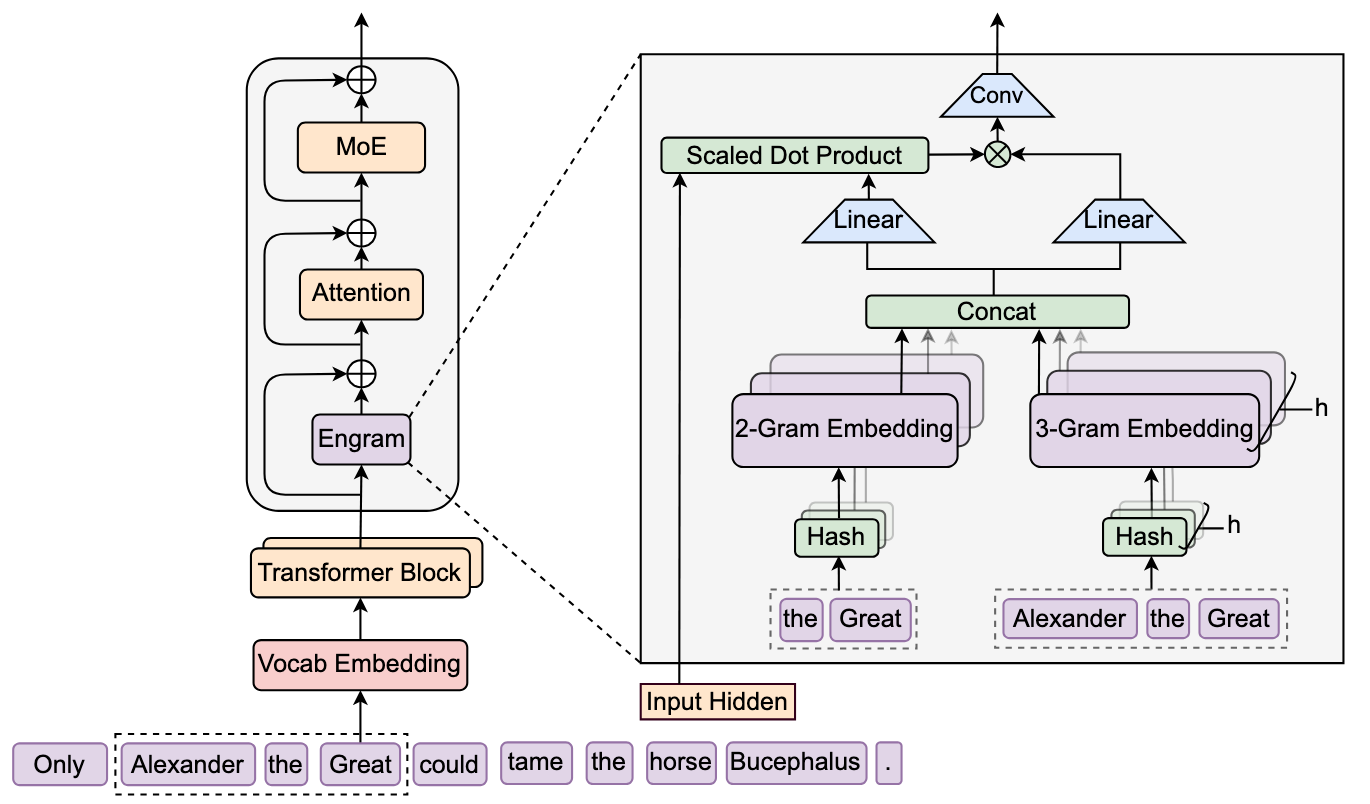
A technical deep dive into DeepSeek's Engram architecture, which introduces conditional memory as a new axis of sparsity for large language models.
How the same transformer architecture powering GPT learned to predict molecular properties by treating chemistry as a language problem
How researchers adapted BERT for molecular property prediction, turning SMILES strings into drug discovery insights
How generative diffusion models can serve as fast surrogates for expensive biological simulations, achieving 22x speedup while preserving the stochastic diversity that makes these models scientifically useful.
Machine learning models now outperform FDA-approved biomarkers in predicting treatment response, but the best-performing models often resist explanation. Here's how precision oncology is navigating the trade-off between performance and interpretability.
Recent research suggests RL training optimizes search efficiency over existing capabilities rather than expanding reasoning capacity. Here's what the pass@k evidence actually shows.
VL-JEPA achieves 50% parameter reduction and 2.85x faster decoding by predicting embeddings instead of generating tokens, offering a compelling alternative to autoregressive vision-language models.
A deep dive into Project Silicon's proposal to build differentiable CPU simulators, enabling gradient-based optimization of assembly code and opening a new frontier in neural algorithm synthesis.
How Meta's Code World Model applies the "dreaming car" insight from robotics to software engineering, achieving 65.8% on SWE-bench Verified by training on execution traces rather than static code.
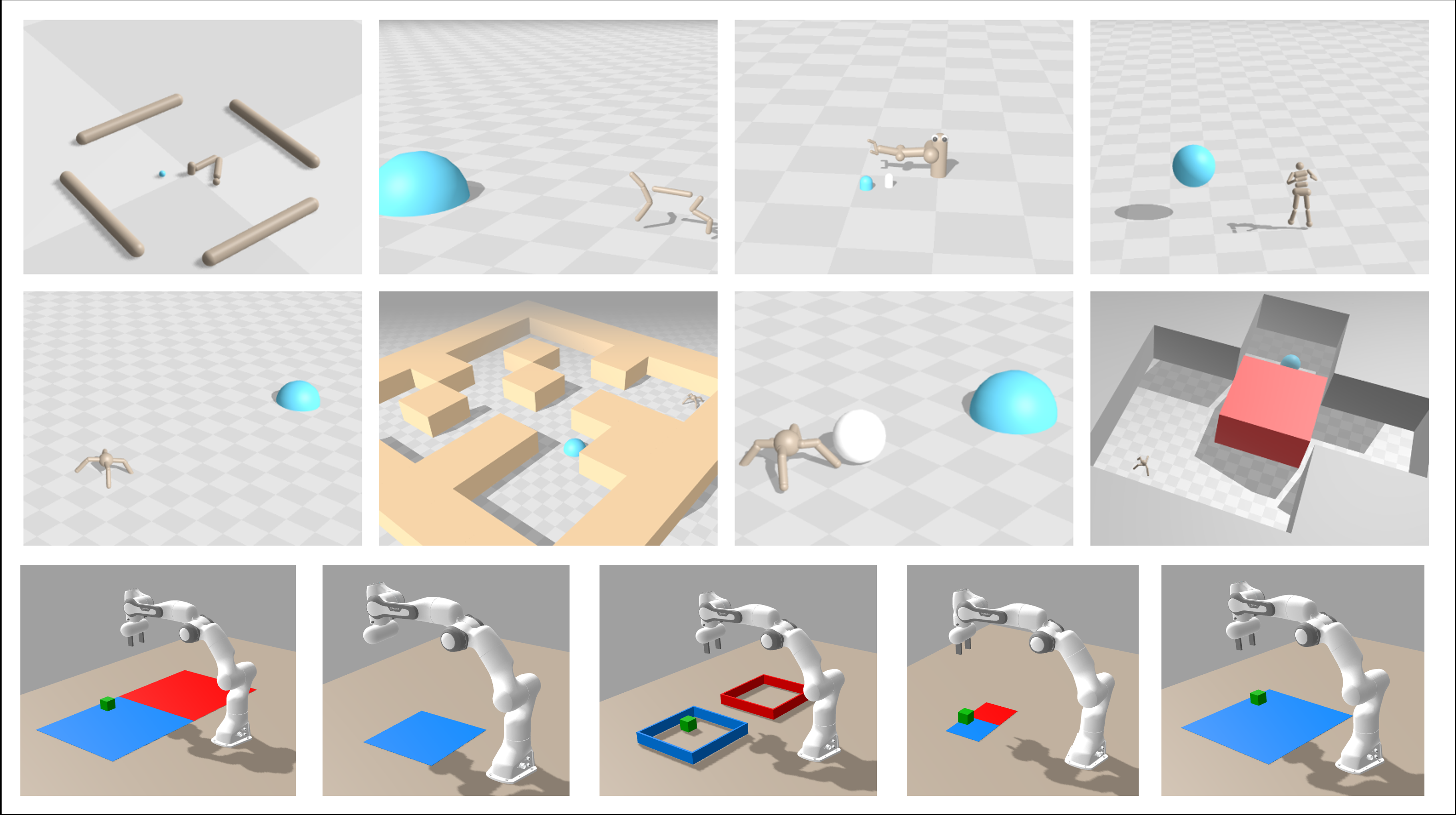
Why computational biologists should stop building embeddings and start building simulators, with three tractable project ideas you can implement today using flow matching, Neural ODEs, and cell fate trajectory modeling.
Understanding when you're working with an environment versus a benchmark changes how you design experiments, interpret results, and communicate findings. This guide covers the practical differences every RL practitioner should know.
Recent research shows 1024-layer networks achieve 2x to 50x improvements in goal-conditioned RL. Here's why extreme depth works now, and when you should consider it for your own agents.
AI-designed antibodies have achieved atomic-level structural accuracy and therapeutic-relevant binding affinities, compressing discovery timelines from years to weeks.
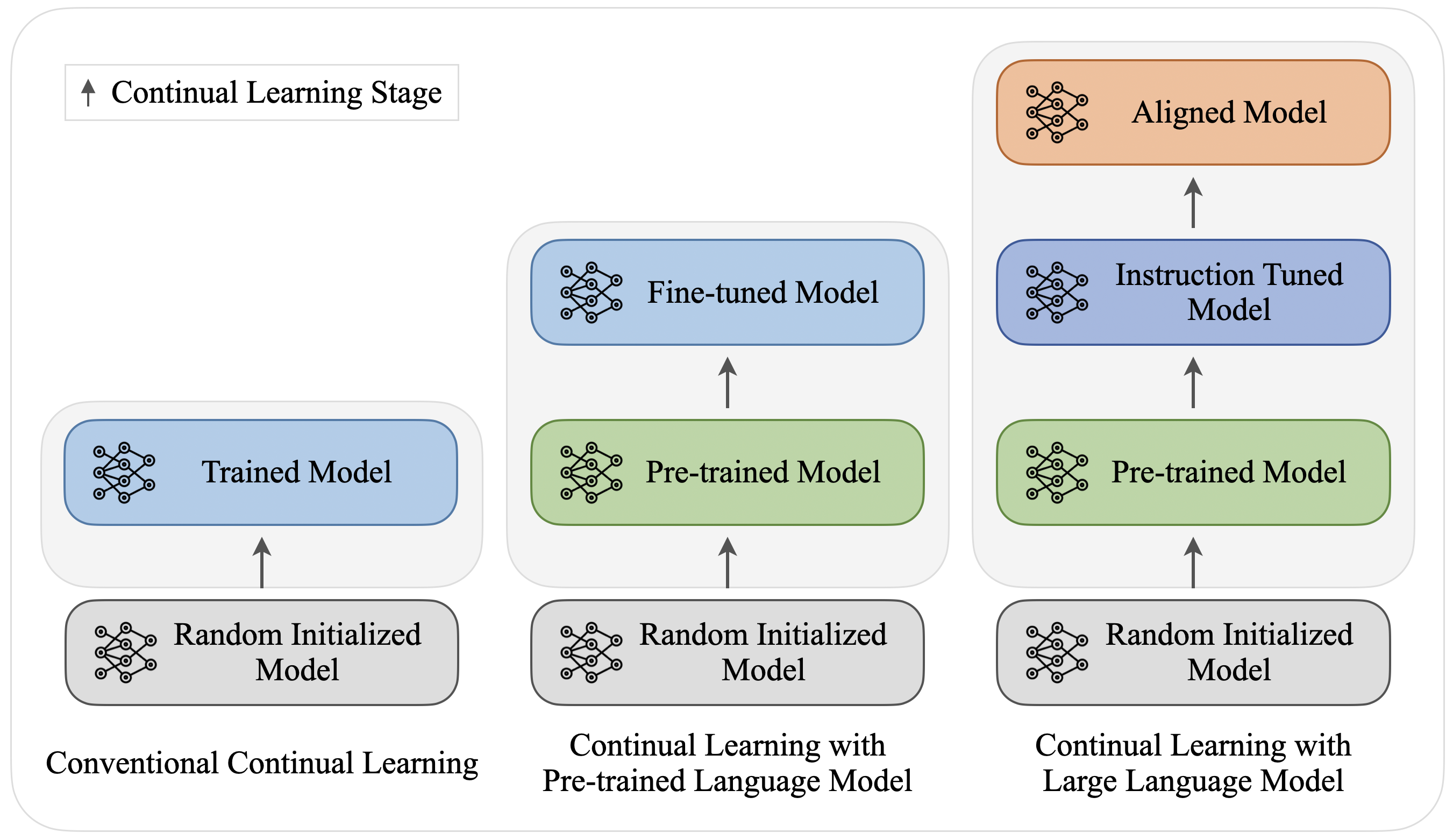
A comparative analysis of approaches to catastrophic forgetting in language models, from parameter regularization to sparse memory architectures that reduce forgetting from 89% to just 11%.
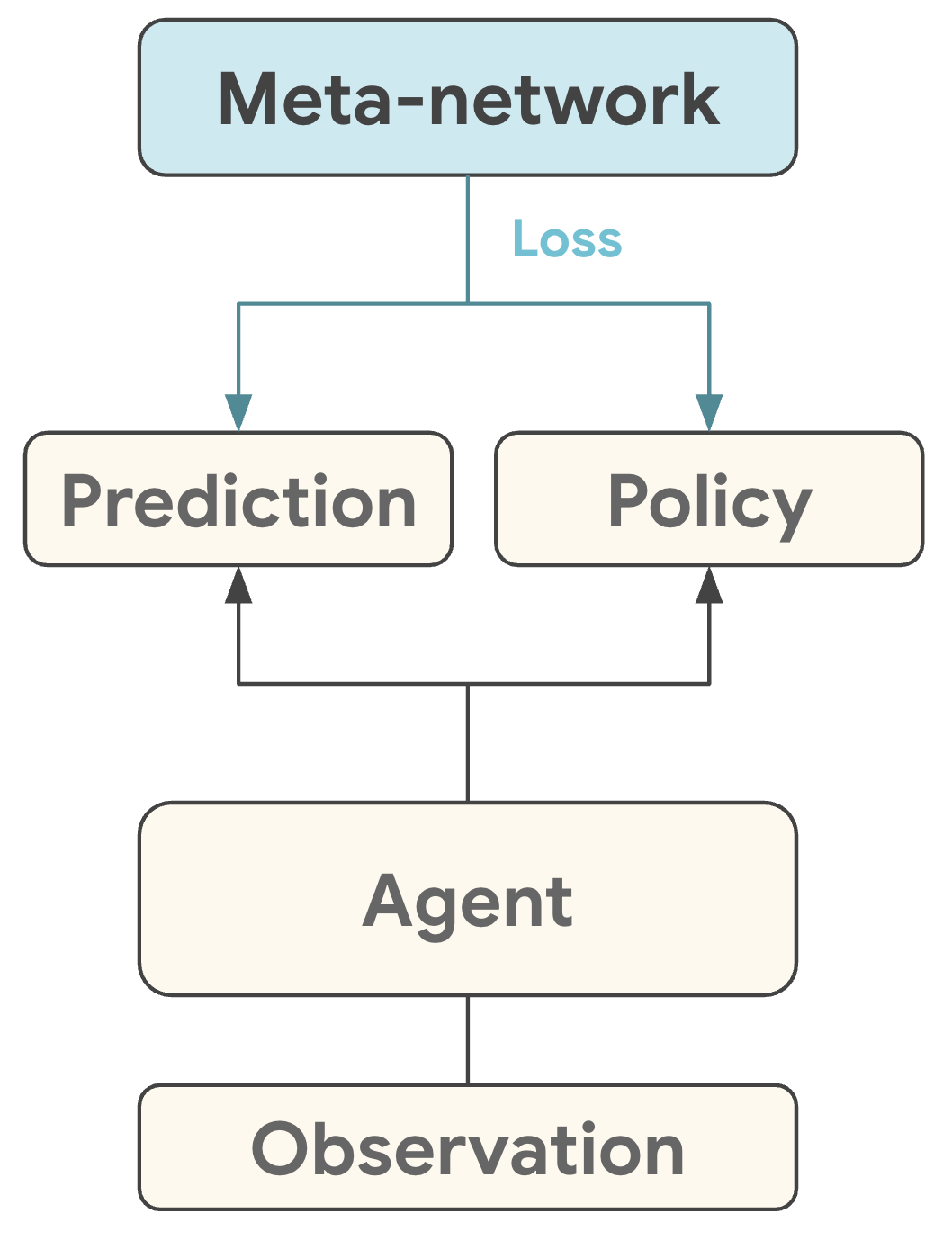
DeepMind's DiscoRL discovers reinforcement learning algorithms that outperform hand-designed methods like PPO and DQN. By treating algorithm design as a meta-learning problem, it found alternatives to value functions and bootstrapping through optimization alone.
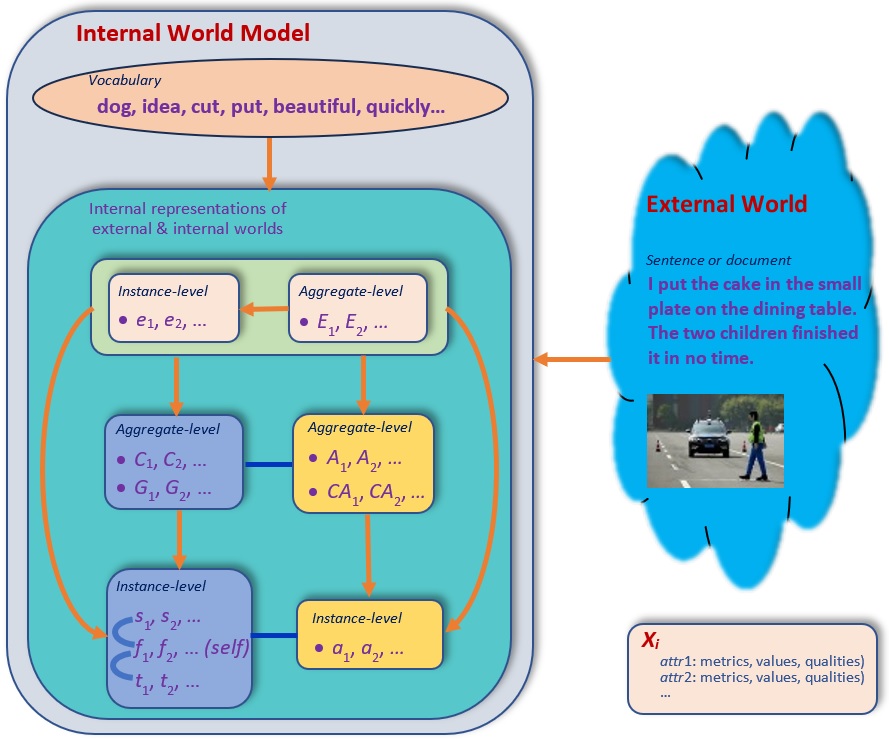
Are large language models merely stochastic parrots, or do they develop genuine internal representations of the world? This investigation examines evidence from Othello-GPT, spatial encoding in LLMs, and the symbol grounding problem to explore what cognitive science reveals about AI understanding.
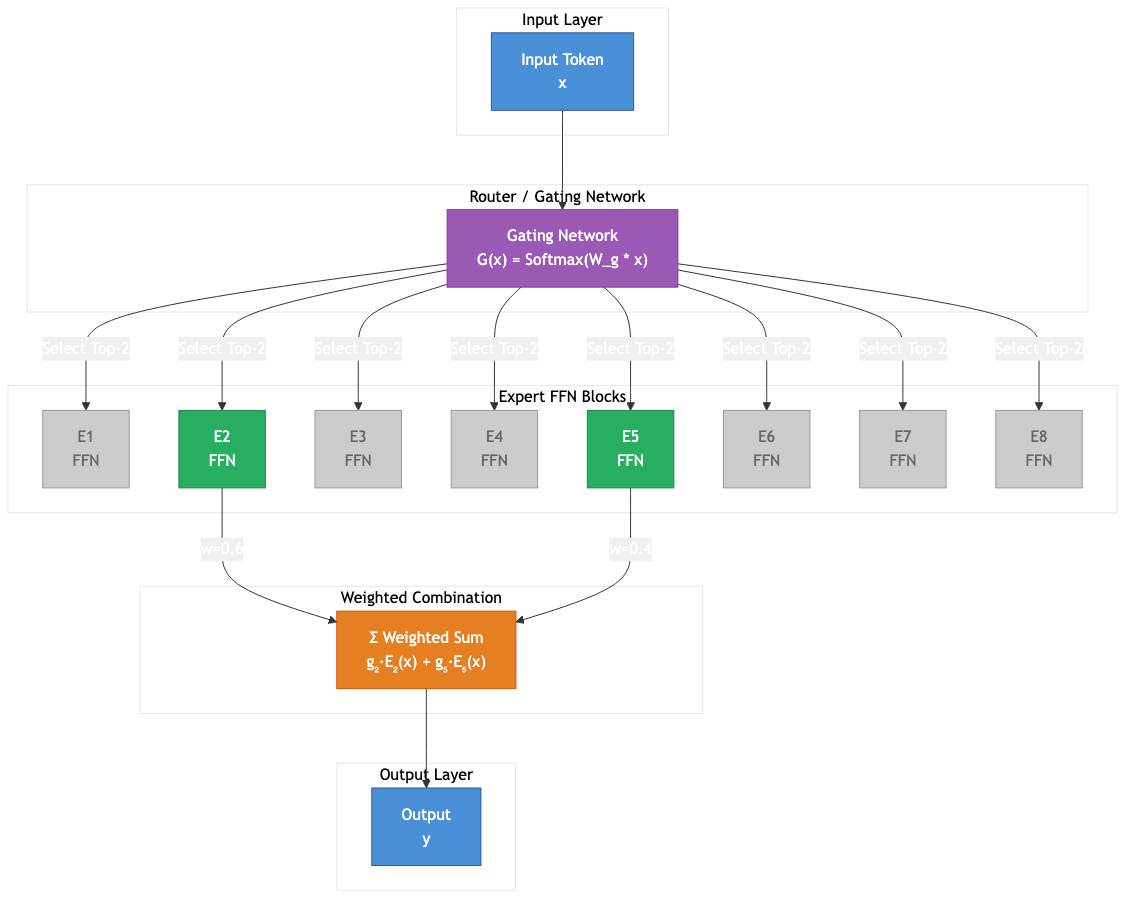
Mixtral uses 46.7B parameters but only activates 13B per token. This architectural trick called Mixture of Experts powers Gemini 1.5, DeepSeek V3, and more. Learn how MoE works, its hidden costs, and when to use it.
Pedro Domingos proposes that neural networks and symbolic AI are the same mathematical operation - a logical rule can be equivalently written as a tensor equation in Einstein summation notation. If true, we've been building separate tools for problems that share identical structure.
A machine trained on simple grid worlds beat every hand-designed RL algorithm on Atari. DeepMind's DiscoRL discovers algorithms through meta-learning that outperform DQN, PPO, and A3C - methods humans spent decades developing.
GPT-4's 128K context window? It only uses about 10% effectively. Google's TITANS architecture introduces test-time memory learning that outperforms GPT-4 on long-context tasks with 70x fewer parameters.
A landmark study across five continents reveals that all humans share a preference for mathematically simple rhythms, but the specific patterns we favor are shaped by the music we absorb growing up.
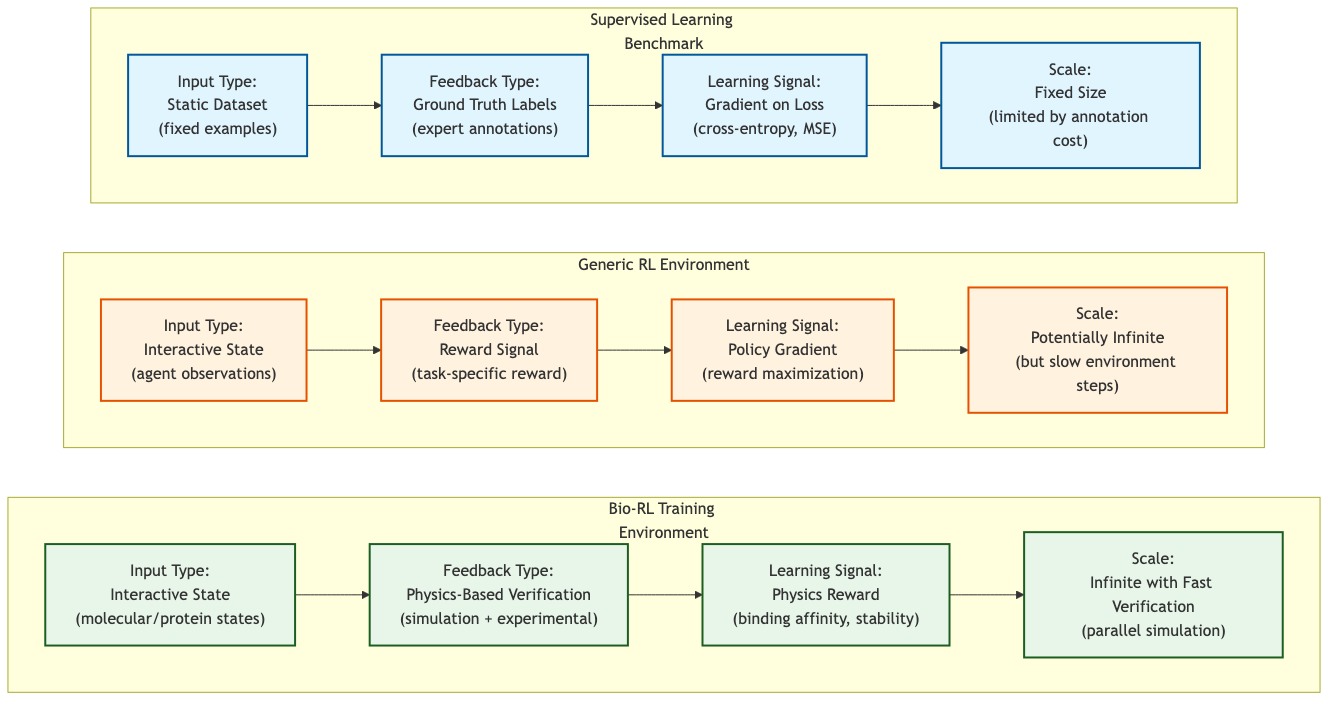
Why biological systems offer the ideal training ground for reinforcement learning: automated verification through physics, not human judgment. From protein design with AlphaFold to RNA folding with ViennaRNA, biology provides the verifiable inverse problems that RL needs at scale.
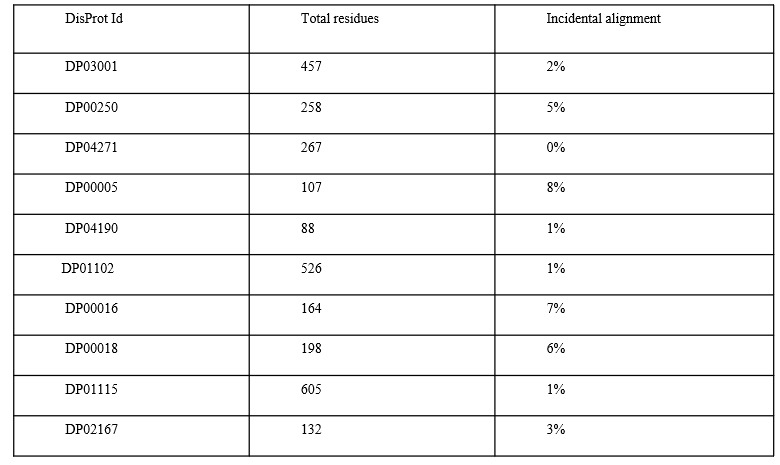
Machine learning is illuminating biology's hidden half: intrinsically disordered proteins and RNA structures that traditional methods could never capture. But can we trust what we're seeing?
World models enable AI agents to imagine futures and plan actions, achieving 10-100x better sample efficiency than traditional reinforcement learning. From DreamerV3 collecting diamonds in Minecraft to foundation models like Sora and Genie, world models represent AI's shift from pattern matching to simulating reality itself.
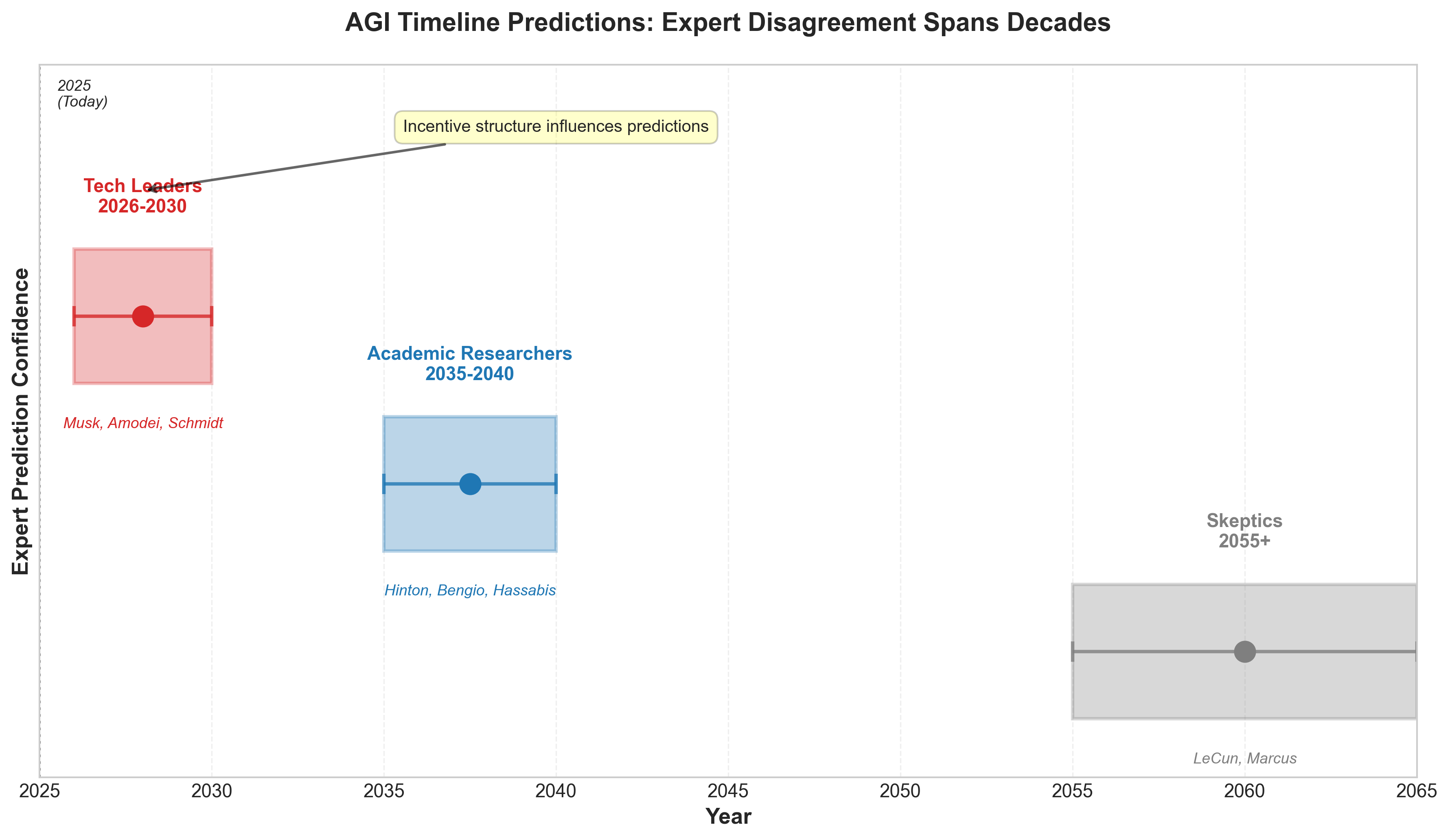
Smart people disagree dramatically about whether AGI is five years away or fifty. The evidence reveals why this definitional crisis matters more than the technology itself.
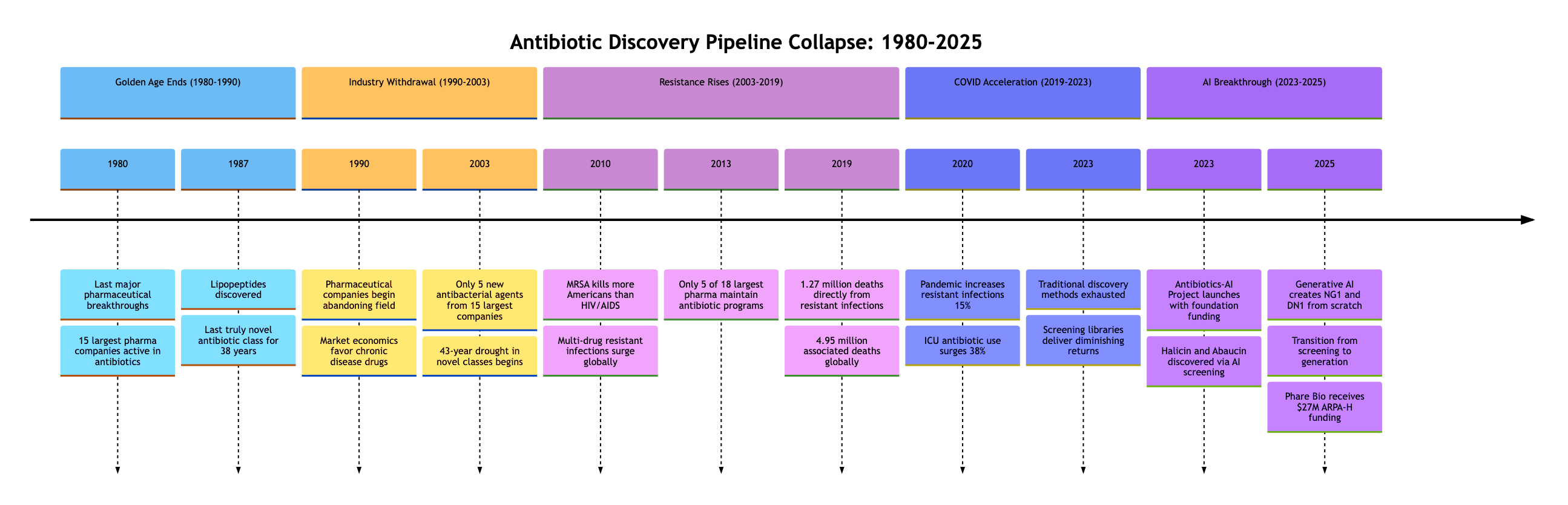
MIT researchers used generative AI to create novel antibiotics from scratch, not finding them, but designing them. The breakthrough matters less for what it creates than for what it proves.
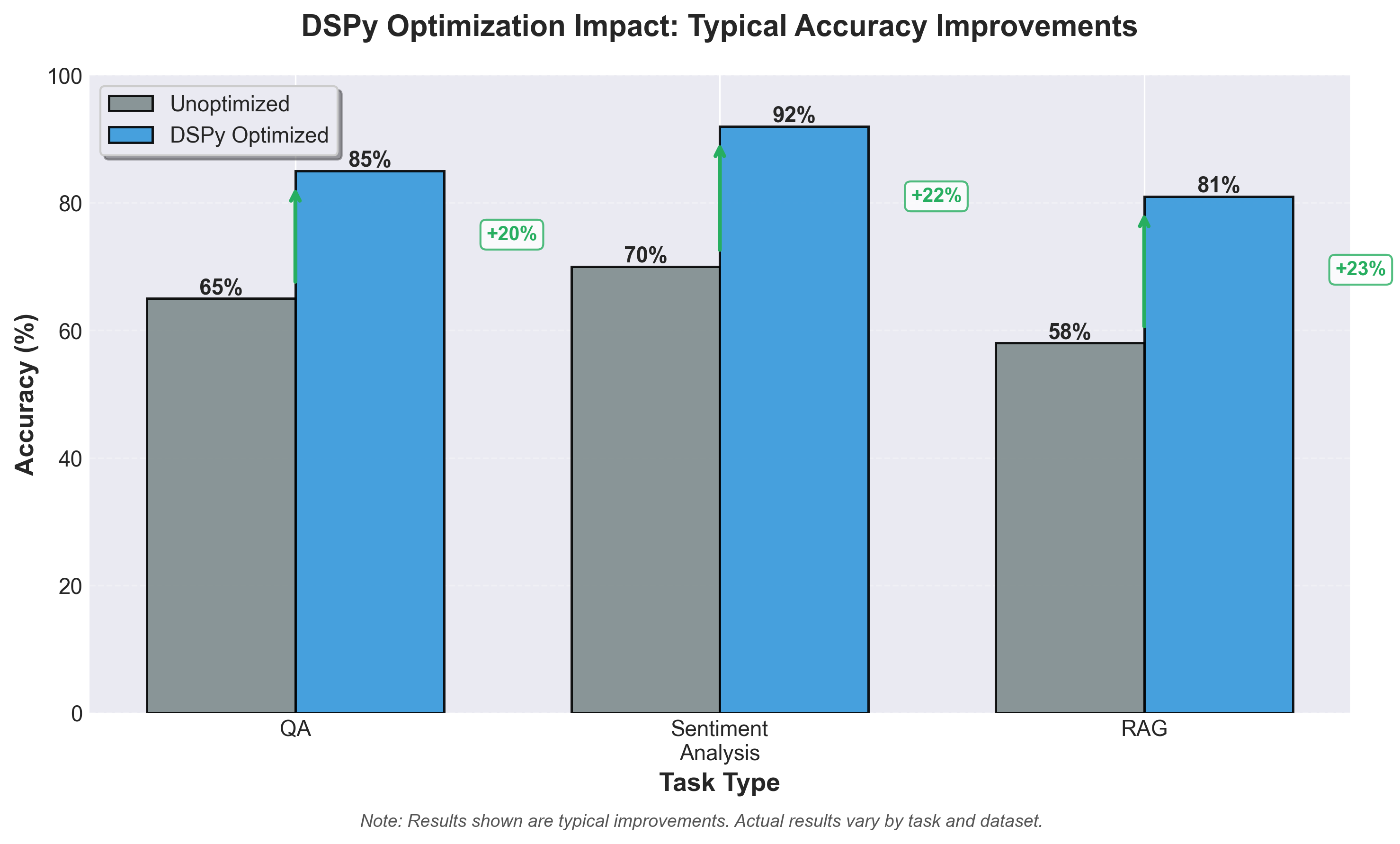
Learn how DSPy transforms brittle prompt engineering into systematic, testable code with automatic optimization
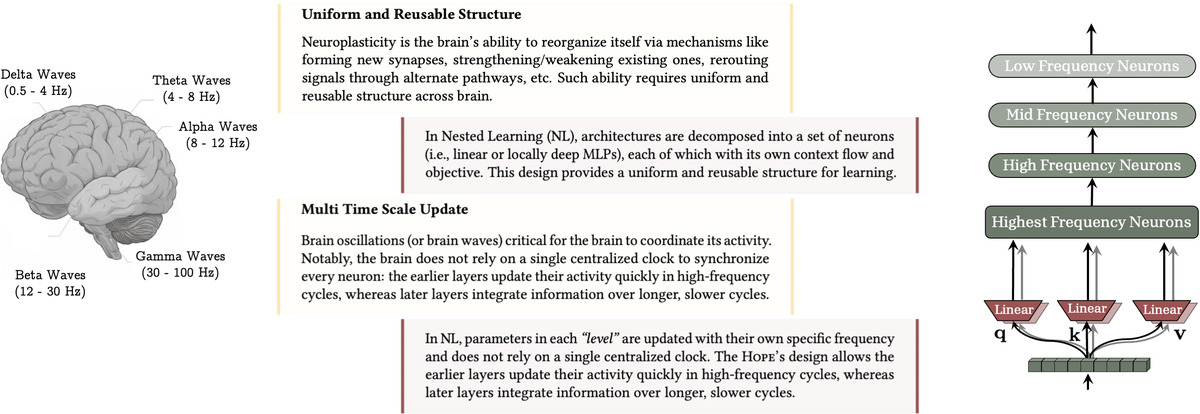
Nested Learning: The Illusion of Deep Learning Architectures - A comprehensive guide to the arXiv paper revealing how neural networks learn at multiple timescales through hierarchical optimization.
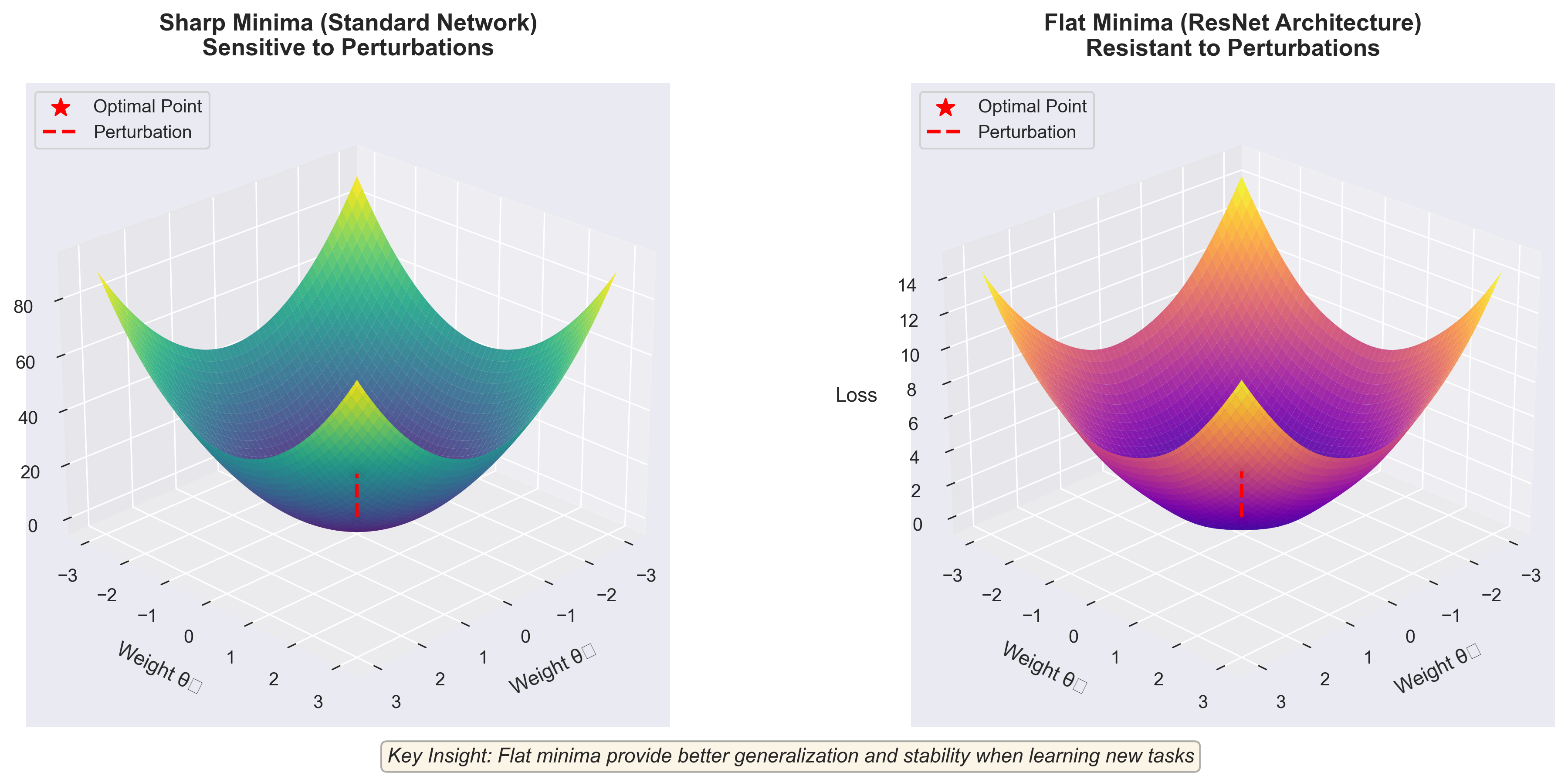
Neural networks catastrophically forget previous knowledge when learning new tasks—not due to capacity limits but fundamental constraints in distributed learning systems.
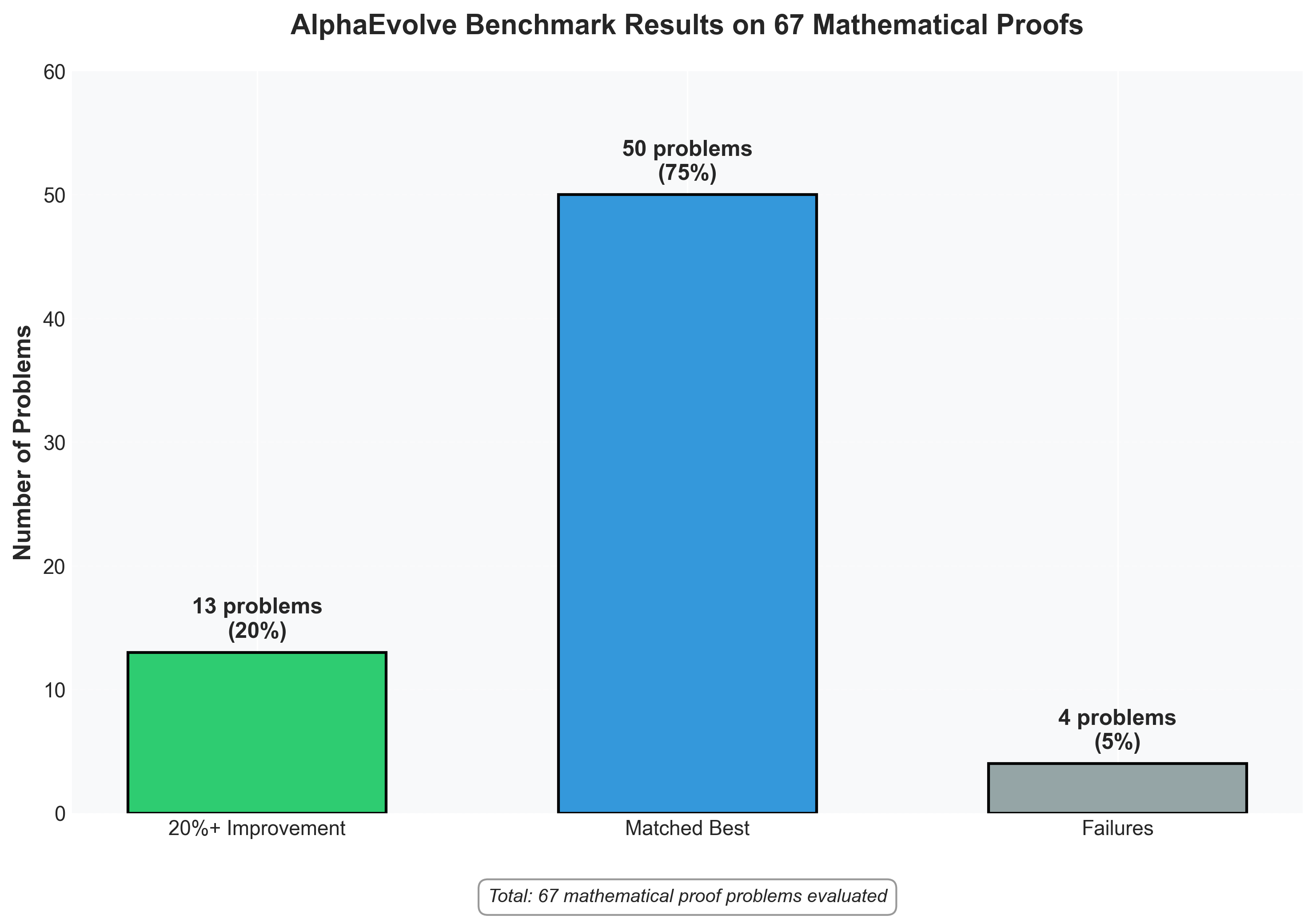
Google DeepMind's AlphaEvolve broke a 56-year-old matrix multiplication record and matched or beat human solutions on 95% of 67 mathematical problems.
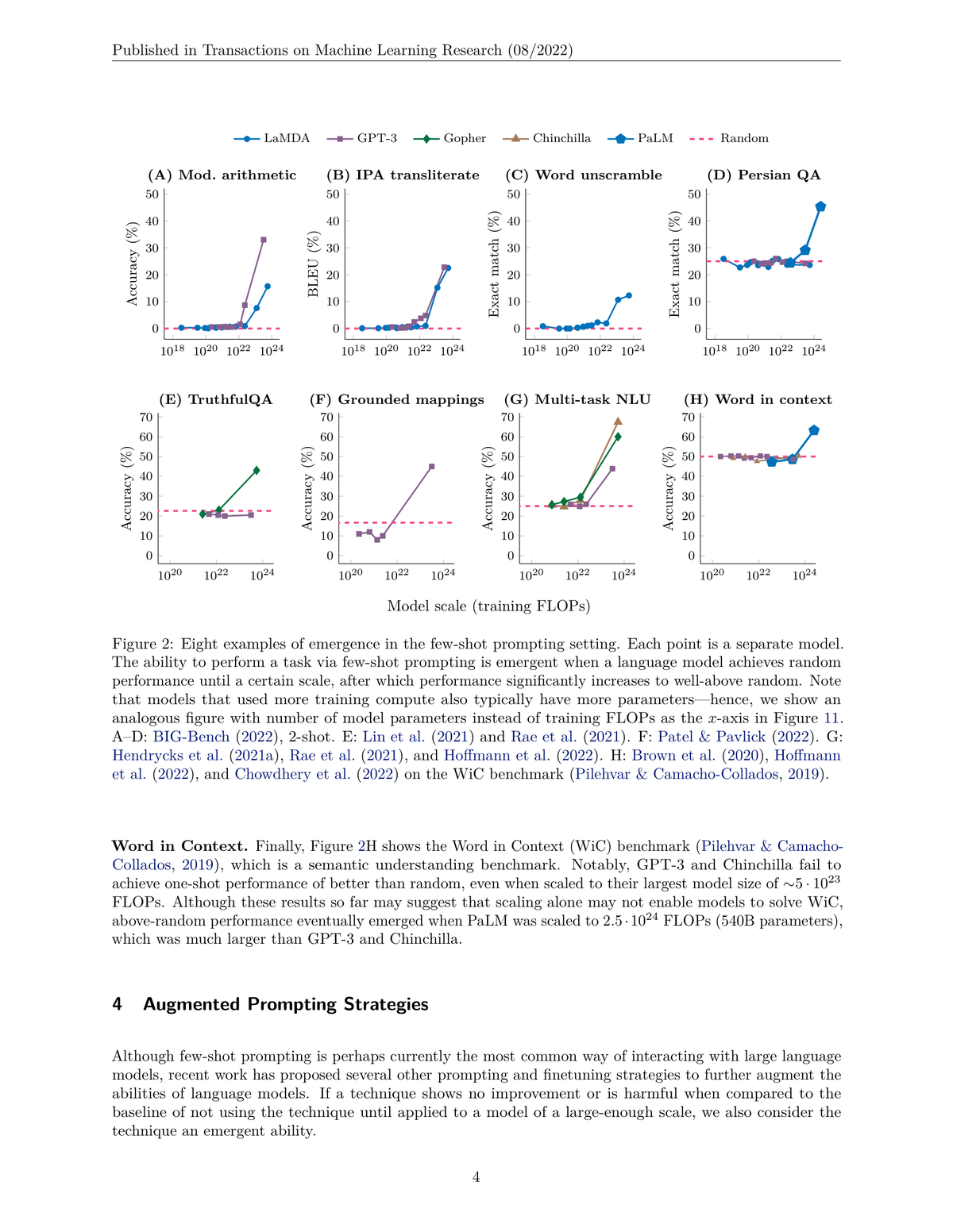
Are LLMs truly exhibiting emergent capabilities, or are we mistaking measurement artifacts for genuine phase transitions?
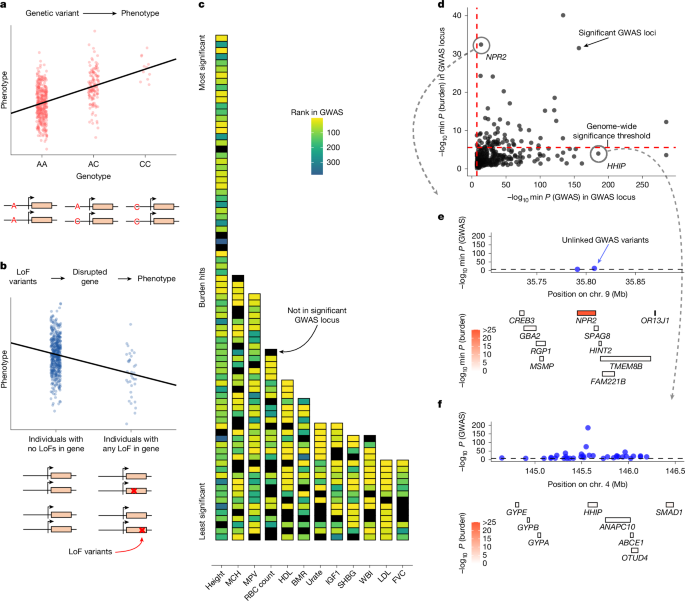
How gene length, trait specificity, and luck systematically distort which genes we think are important for disease, and what researchers should do about it
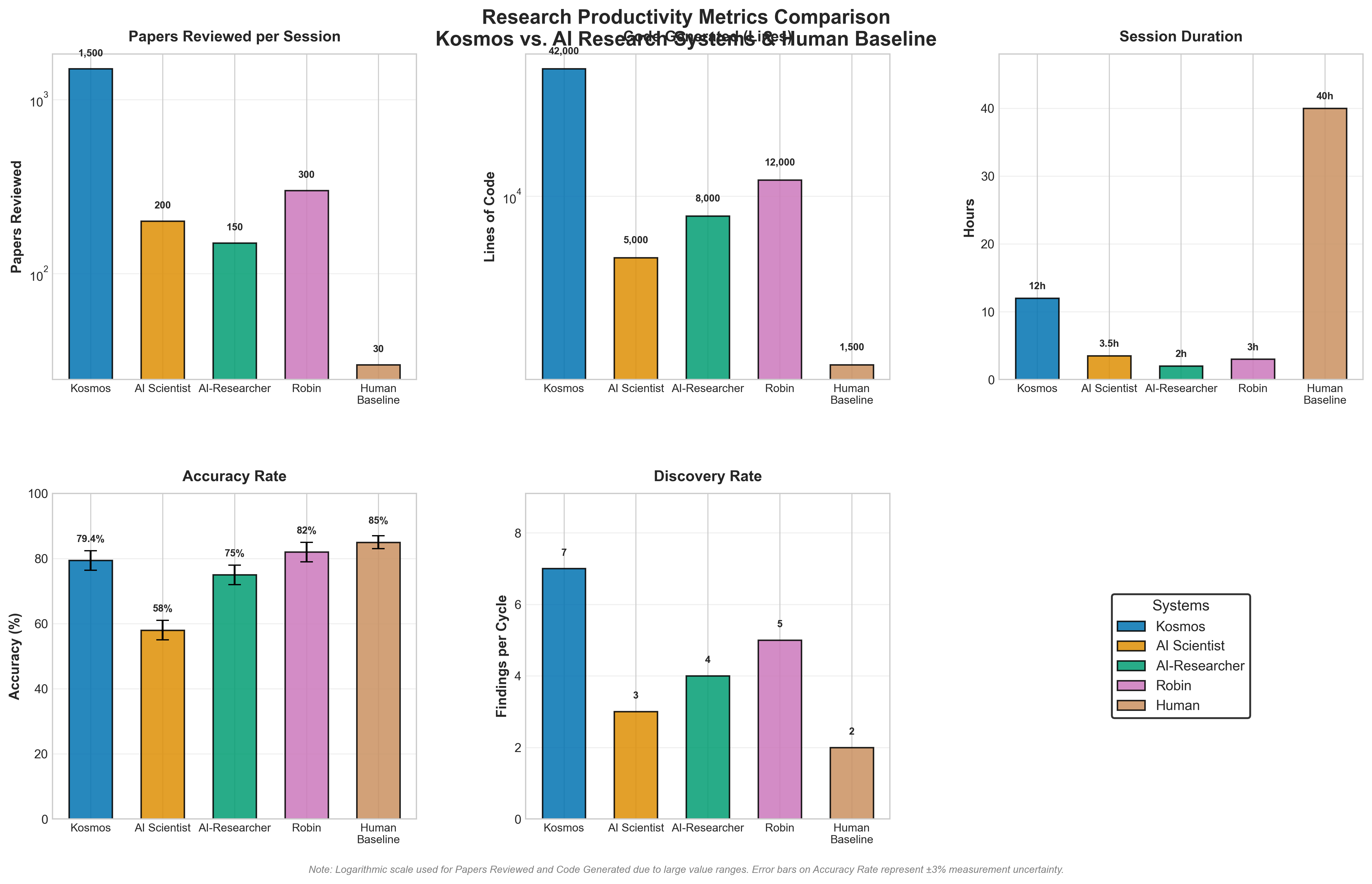
An AI research system maintains coherent reasoning across 200+ agent steps over 12 hours, generating 42,000 lines of code while reviewing 1,500 papers. Kosmos achieves 79.4% accuracy through structured world models and parallel agents, but verification remains humanity's bottleneck.
New research reveals a disturbing truth: reasoning models maintain high performance until they hit a complexity threshold, then collapse entirely. They don't degrade gracefully - they fall off a cliff.
Why does it feel like our tools weren't designed by pathologists? Billions poured into AI models that compress whole slide images into tiny vectors, ignoring how pathologists actually examine tissue. The evidence reveals why scaling won't fix this disconnect.
The definitive guide to building AI agents that monitor their own thinking through dual-loop architecture, Reflexion patterns, and production-ready LangGraph implementations.
An AI system at Google DeepMind discovered how bacteria share genes across species barriers using 7 days of computational reasoning. When tested, it matched unpublished experimental observations exactly.
Foundation models trained on biological data are transforming protein structure prediction, genomics, drug discovery, and pathology. Learn how machine learning benchmarks in 2024 are revealing biology's dark matter through RNA analysis and metagenomic discovery.
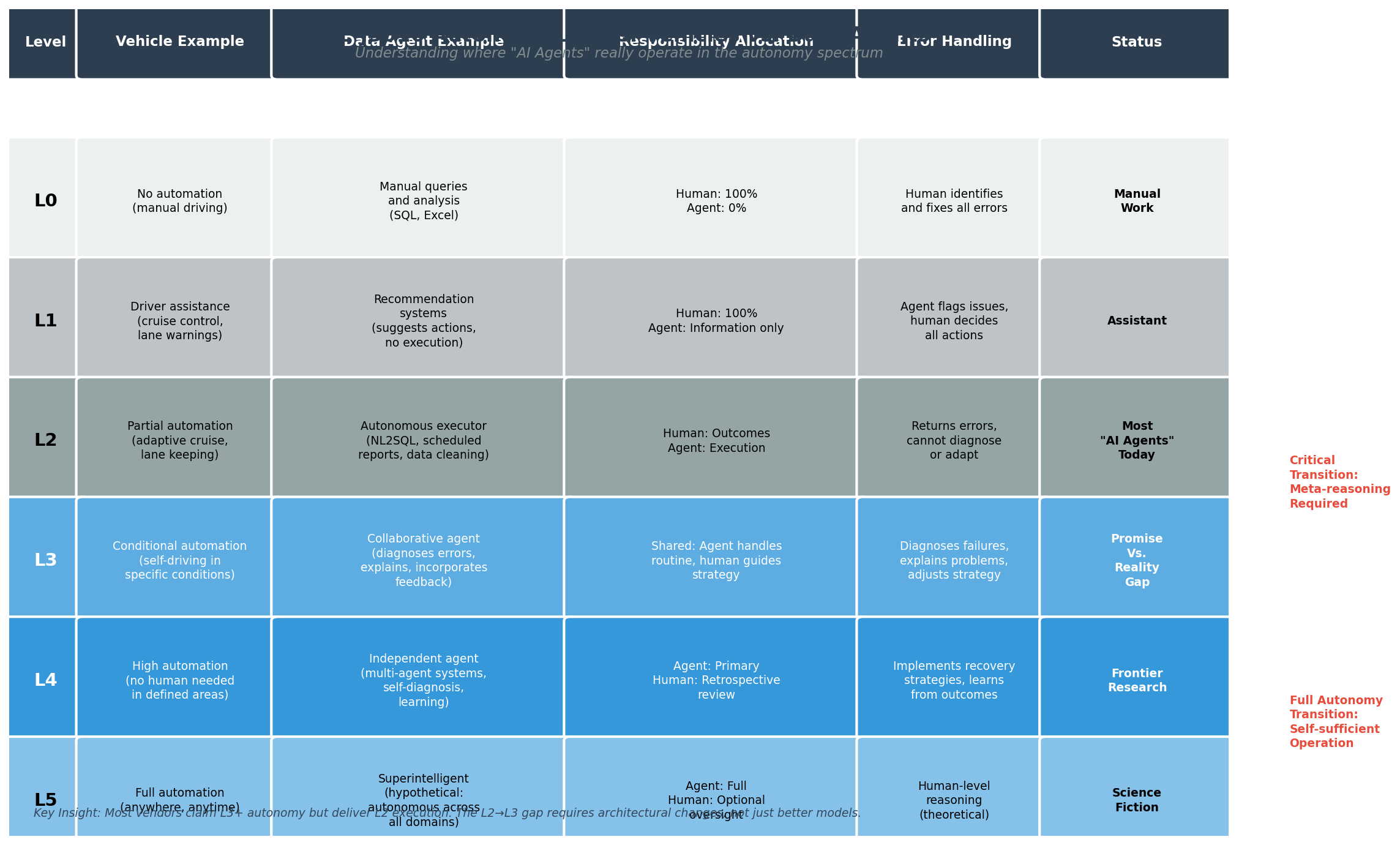
How the 6-level autonomy framework helps technical managers distinguish genuine autonomous systems from marketing claims and avoid expensive pilots that were never going to work.
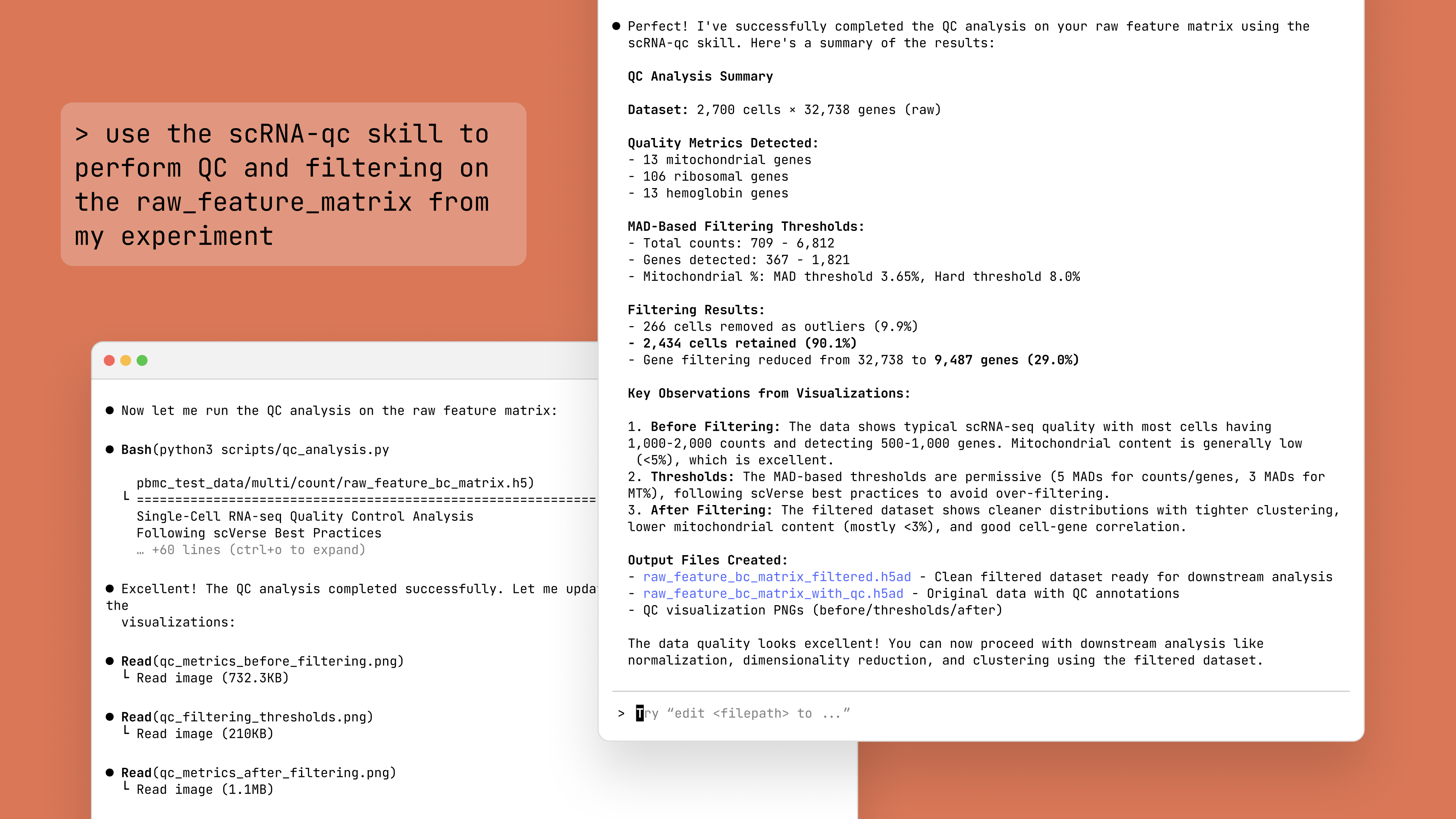
Skills vs Slash Commands: understand the key differences, when to use each, and how they work together in Claude Code. Learn which abstraction fits your workflow with practical examples and decision frameworks.
Why does it feel like our tools weren't designed by pathologists or researchers? Anthropic's Claude for Life Sciences attempts to bridge this gap by embedding AI directly into existing scientific workflows through Connectors and Agent Skills, building an operating system for R&D that actually respects how scientists work.
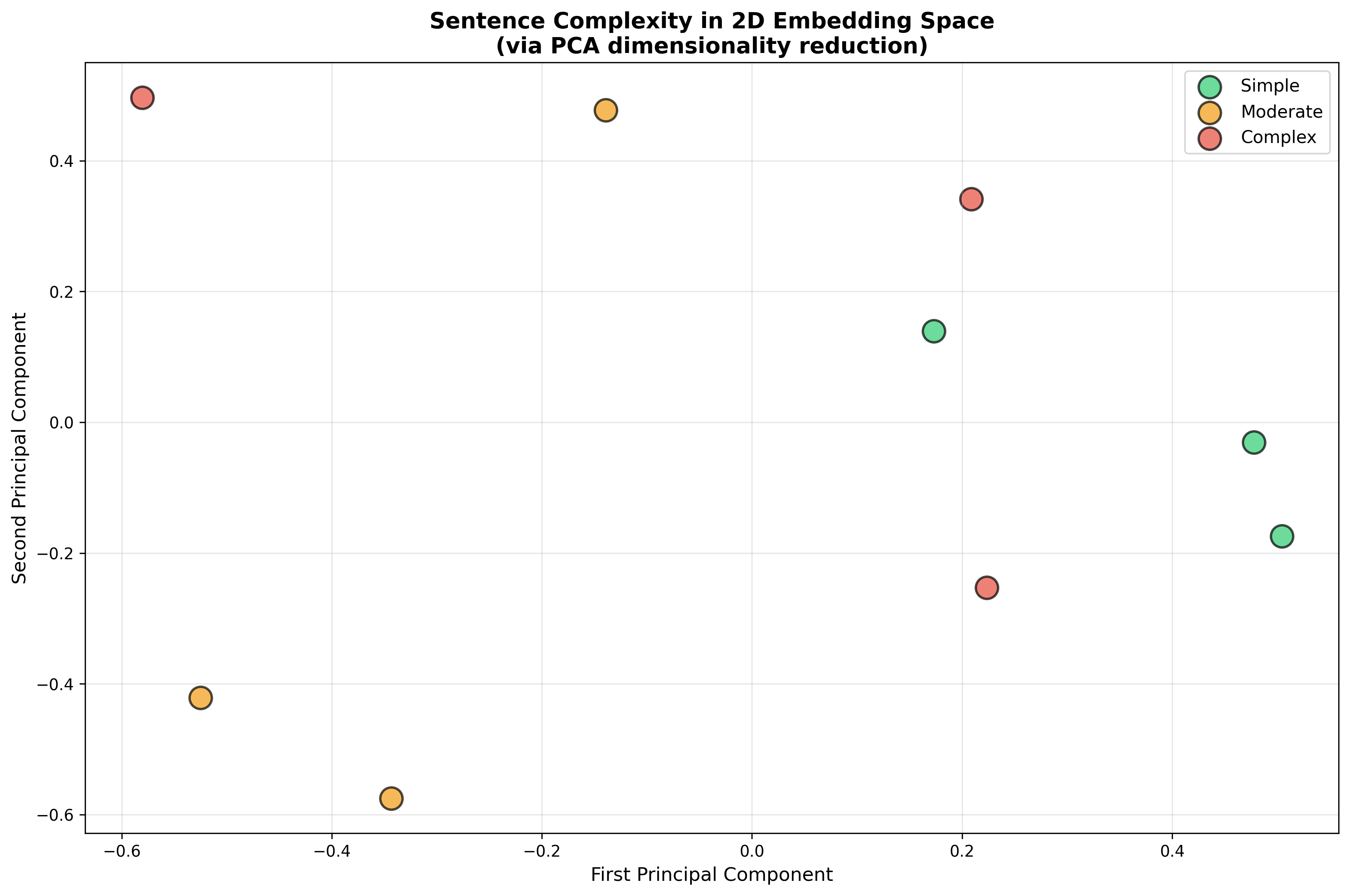
Traditional readability formulas miss the mark. Modern embedding models can capture semantic nuance and syntactic structure, but do they actually predict complexity better?
AlphaFold solved protein folding, but its hidden embeddings may be even more valuable, powering everything from drug design to disease prediction.
Discover why monolithic embeddings fail for RAG systems and learn how chunking strategies can transform your retrieval performance.
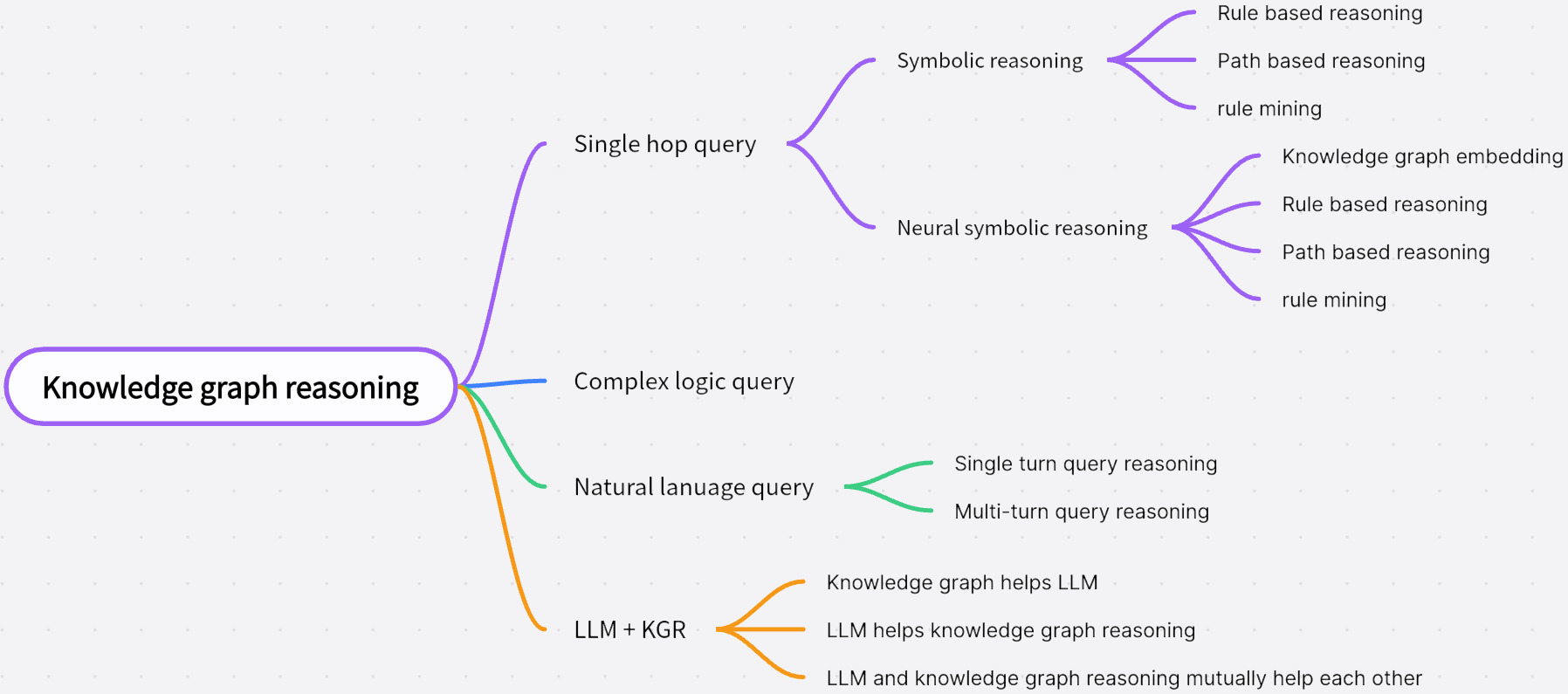
How graph-based representations are transforming language models beyond sequential text to unlock deeper reasoning capabilities
Learn the RATS pattern: Retrieval-Augmented Tool Selection for building scalable AI agents that dynamically select the right tools for each task.
Language models can write poetry but struggle with basic spelling. Discover why current tokenization breaks language, and how morphology-aware approaches fix it.
Exploring how Reinforcement Learning (RL) combined with Physics-Informed Machine Learning (PIML) can teach AI to design structurally sound and resilient buildings by learning from simulated physical environments.
Words aren't just symbols anymore, they're coordinates in high-dimensional space. Explore how vector embeddings revolutionized AI's understanding of language.