How AlphaGenome Tackles Variant Effect Prediction
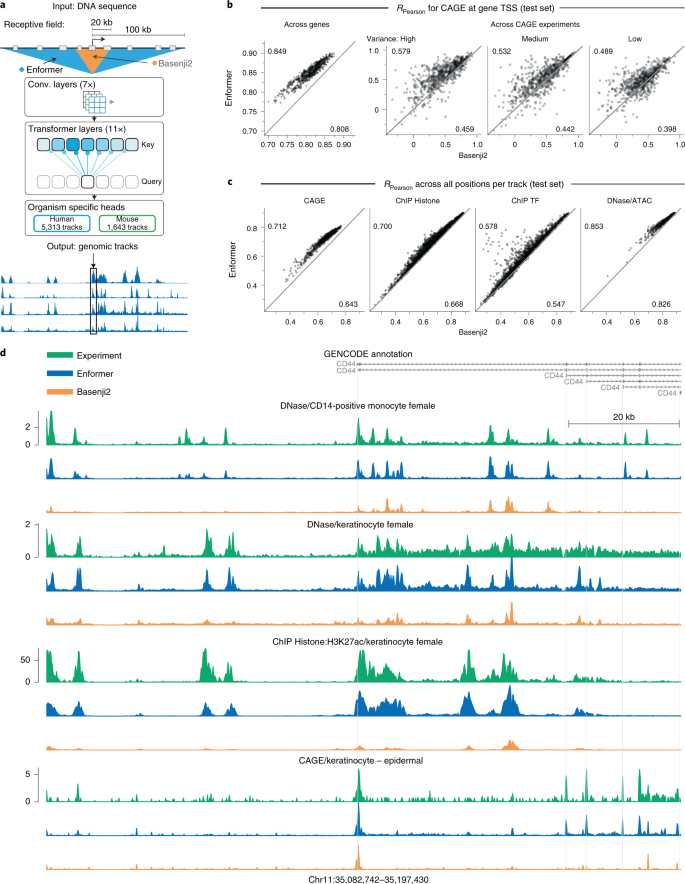
AlphaGenome processes 1 million DNA base pairs to predict variant effects across 7,000+ genomic tracks in one second, outperforming specialized models on 25 of 26 VEP benchmarks.
8 articles tagged with #deep learning.
AlphaGenome processes 1 million DNA base pairs to predict variant effects across 7,000+ genomic tracks in one second, outperforming specialized models on 25 of 26 VEP benchmarks.
A technical look at AlphaGenome's architecture, its 2D pairwise embeddings for splicing prediction, and what the model means for clinical variant interpretation.
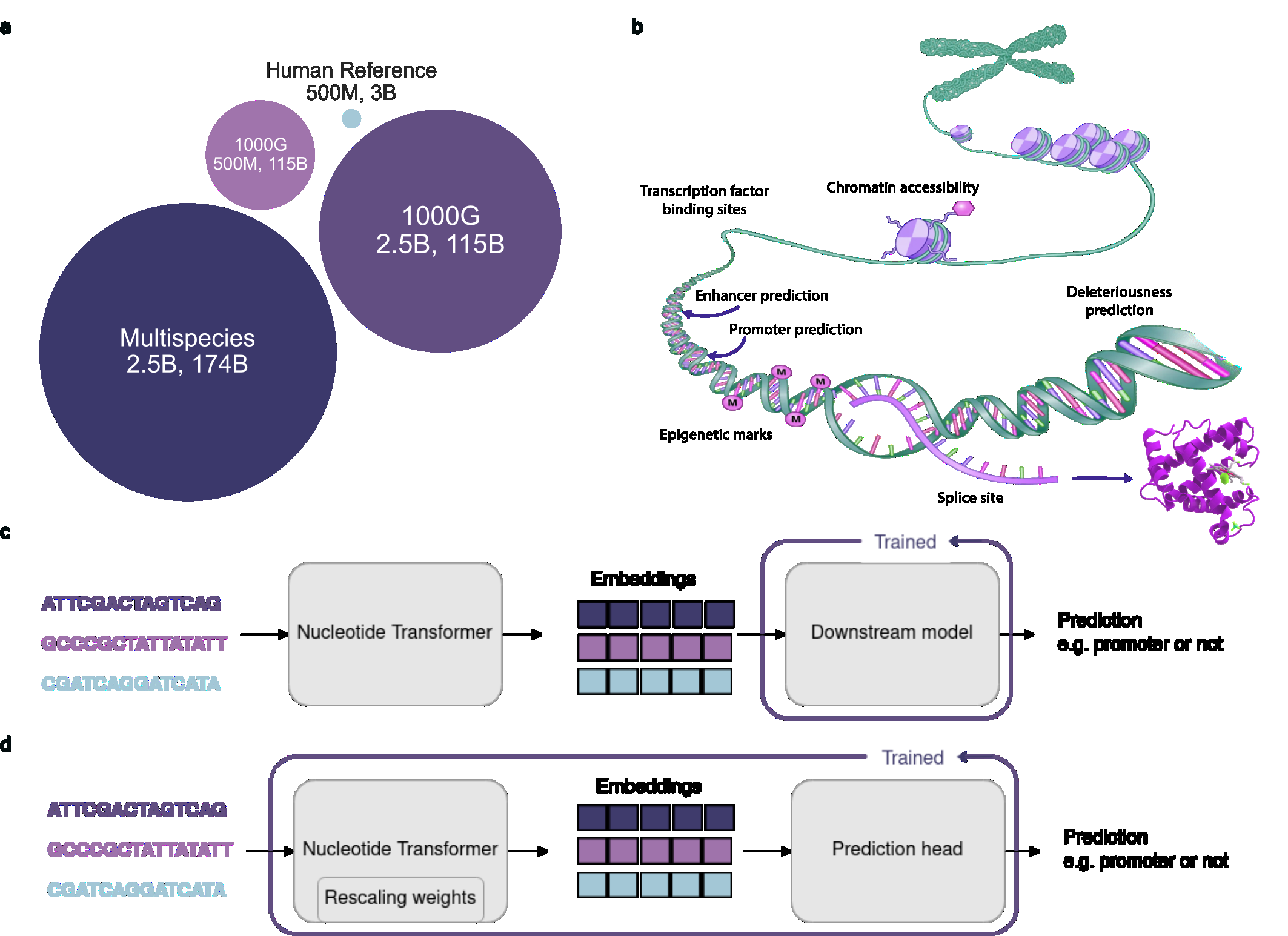
A practical guide to selecting genomic foundation models for bioinformatics tasks. Covers ESM-2, DNABERT-2, HyenaDNA, Nucleotide Transformer, scGPT, and Evo with specific recommendations for DNA sequence analysis, protein structure prediction, and single-cell analysis based on hardware requirements, inference speed, and task type.
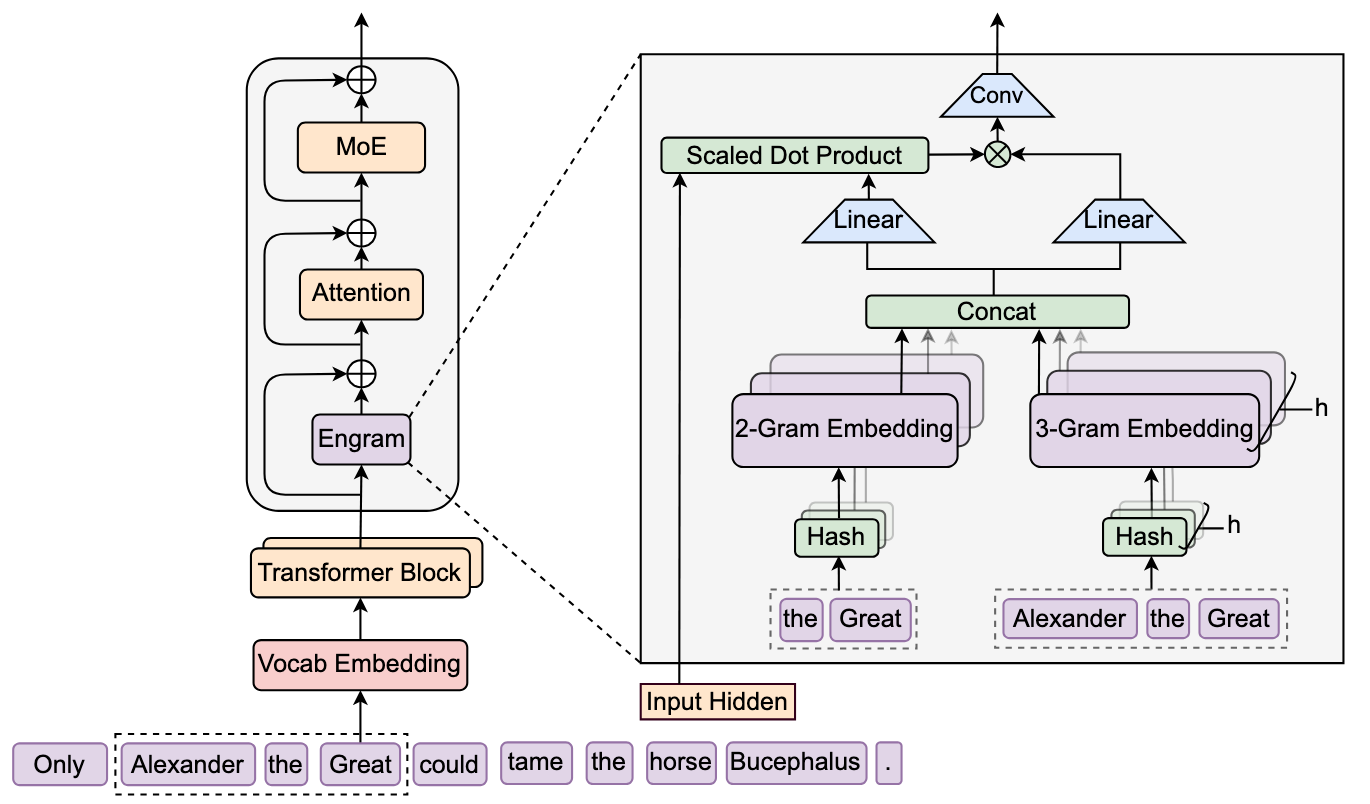
A technical deep dive into DeepSeek's Engram architecture, which introduces conditional memory as a new axis of sparsity for large language models.
VL-JEPA achieves 50% parameter reduction and 2.85x faster decoding by predicting embeddings instead of generating tokens, offering a compelling alternative to autoregressive vision-language models.
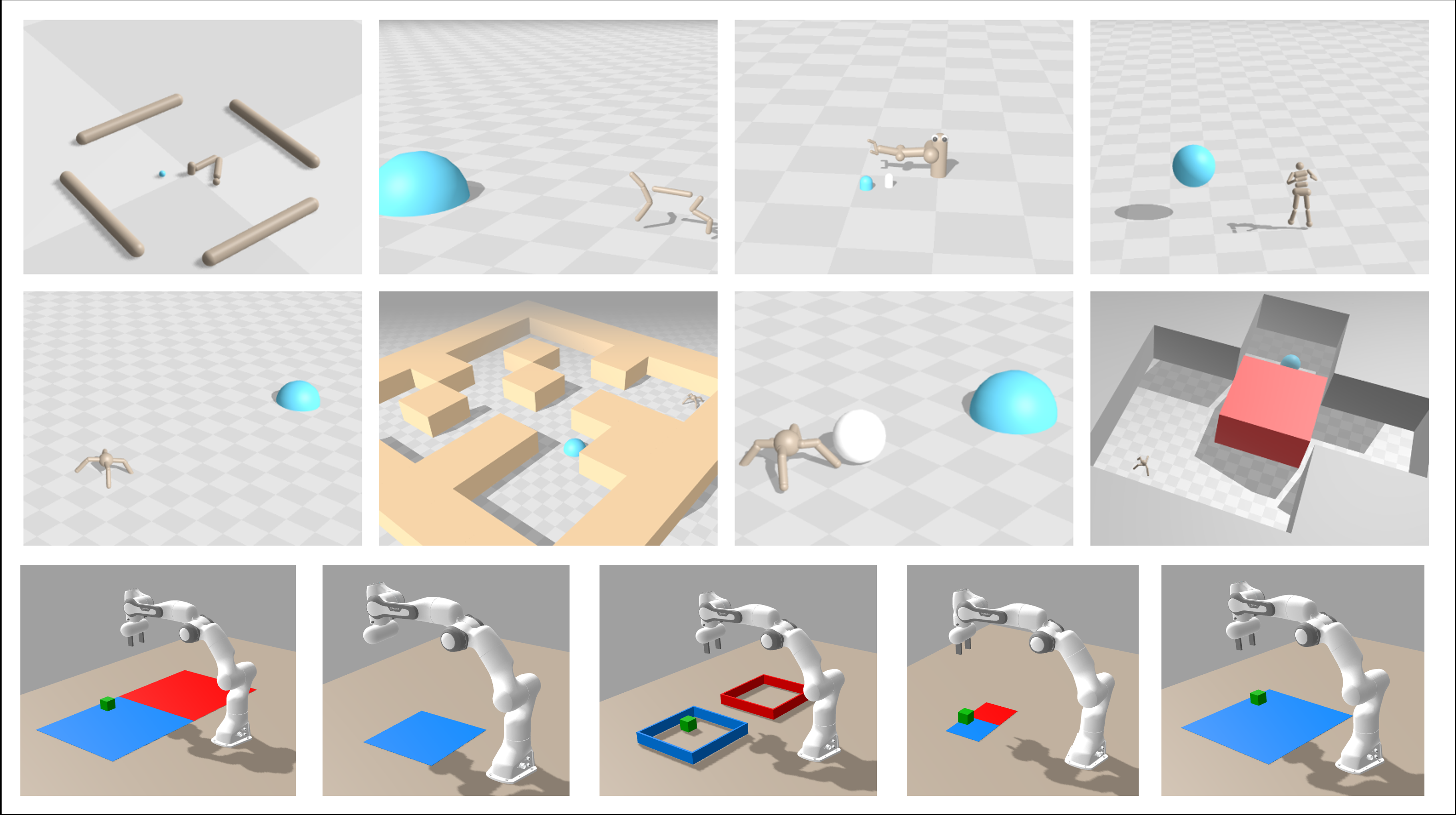
Recent research shows 1024-layer networks achieve 2x to 50x improvements in goal-conditioned RL. Here's why extreme depth works now, and when you should consider it for your own agents.
Pedro Domingos proposes that neural networks and symbolic AI are the same mathematical operation - a logical rule can be equivalently written as a tensor equation in Einstein summation notation. If true, we've been building separate tools for problems that share identical structure.
A machine trained on simple grid worlds beat every hand-designed RL algorithm on Atari. DeepMind's DiscoRL discovers algorithms through meta-learning that outperform DQN, PPO, and A3C - methods humans spent decades developing.